SHORT DESCRIPTION
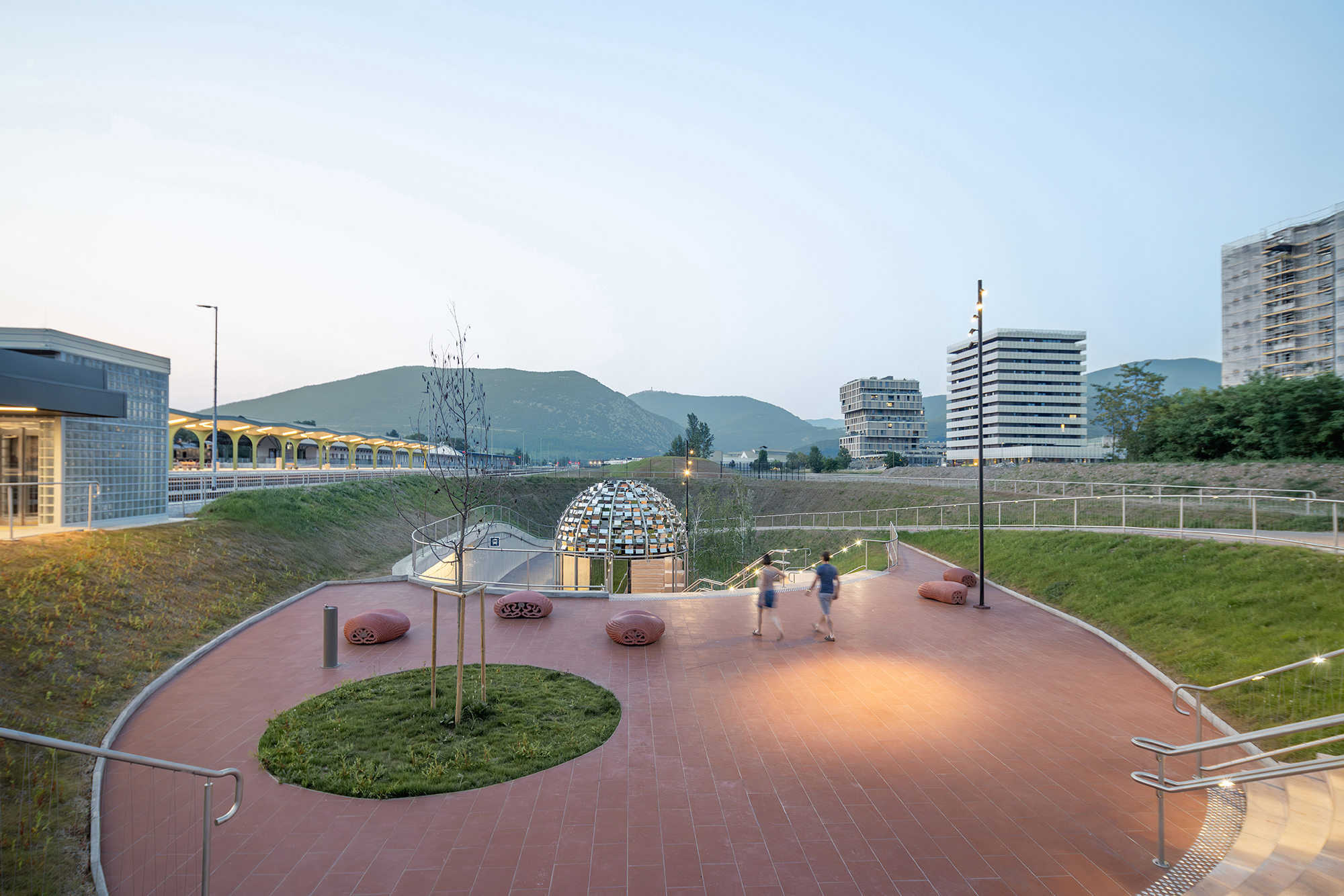
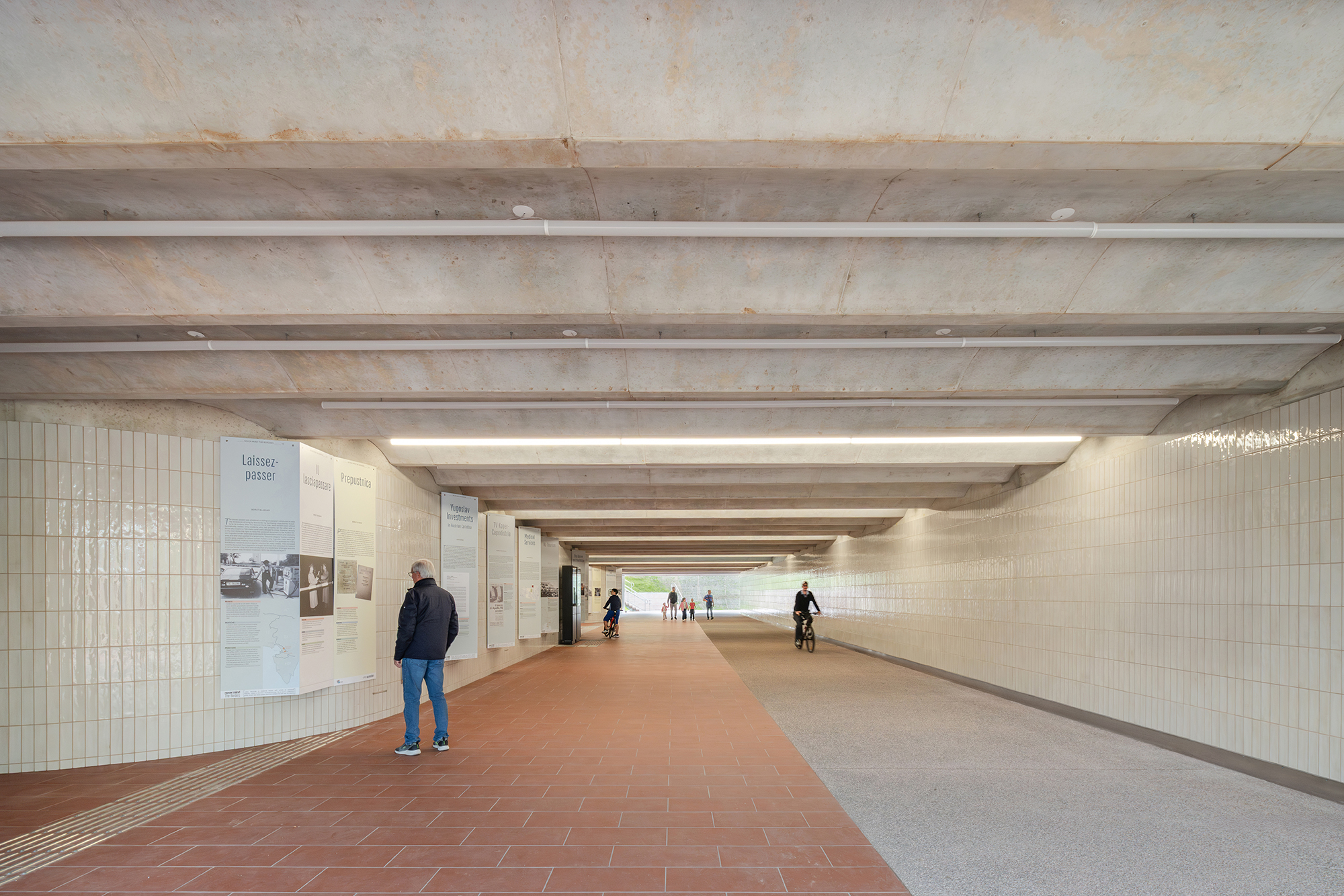
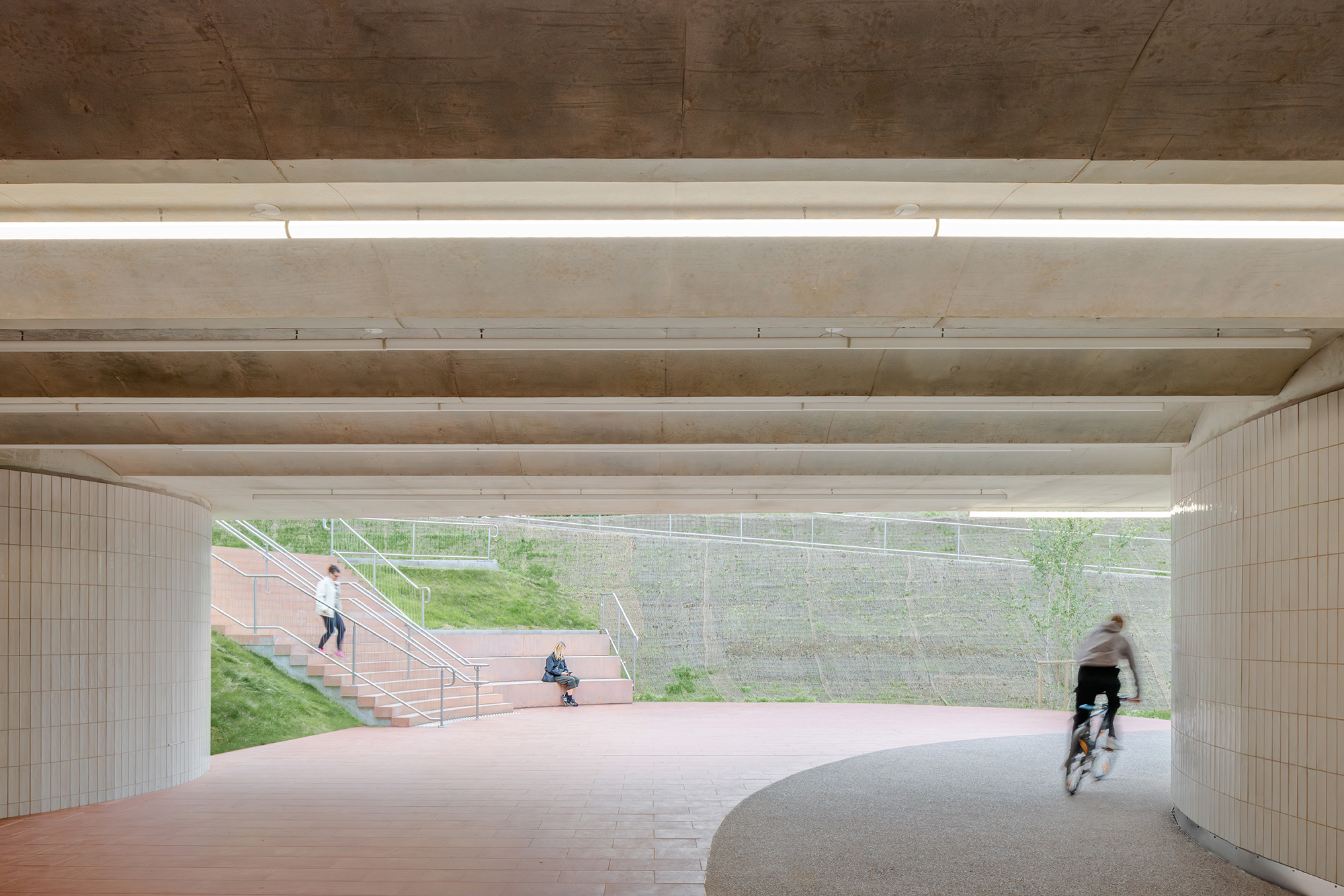
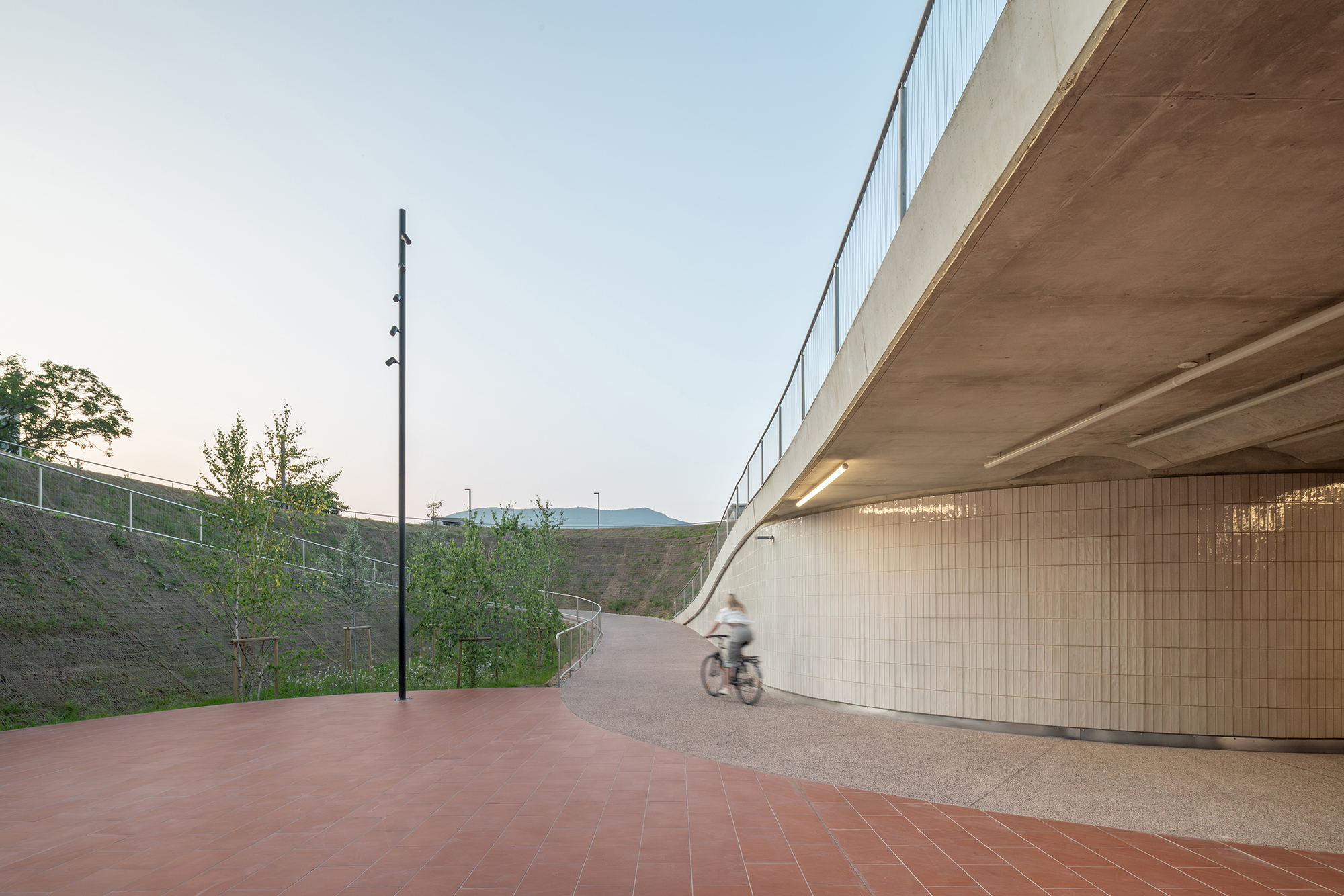
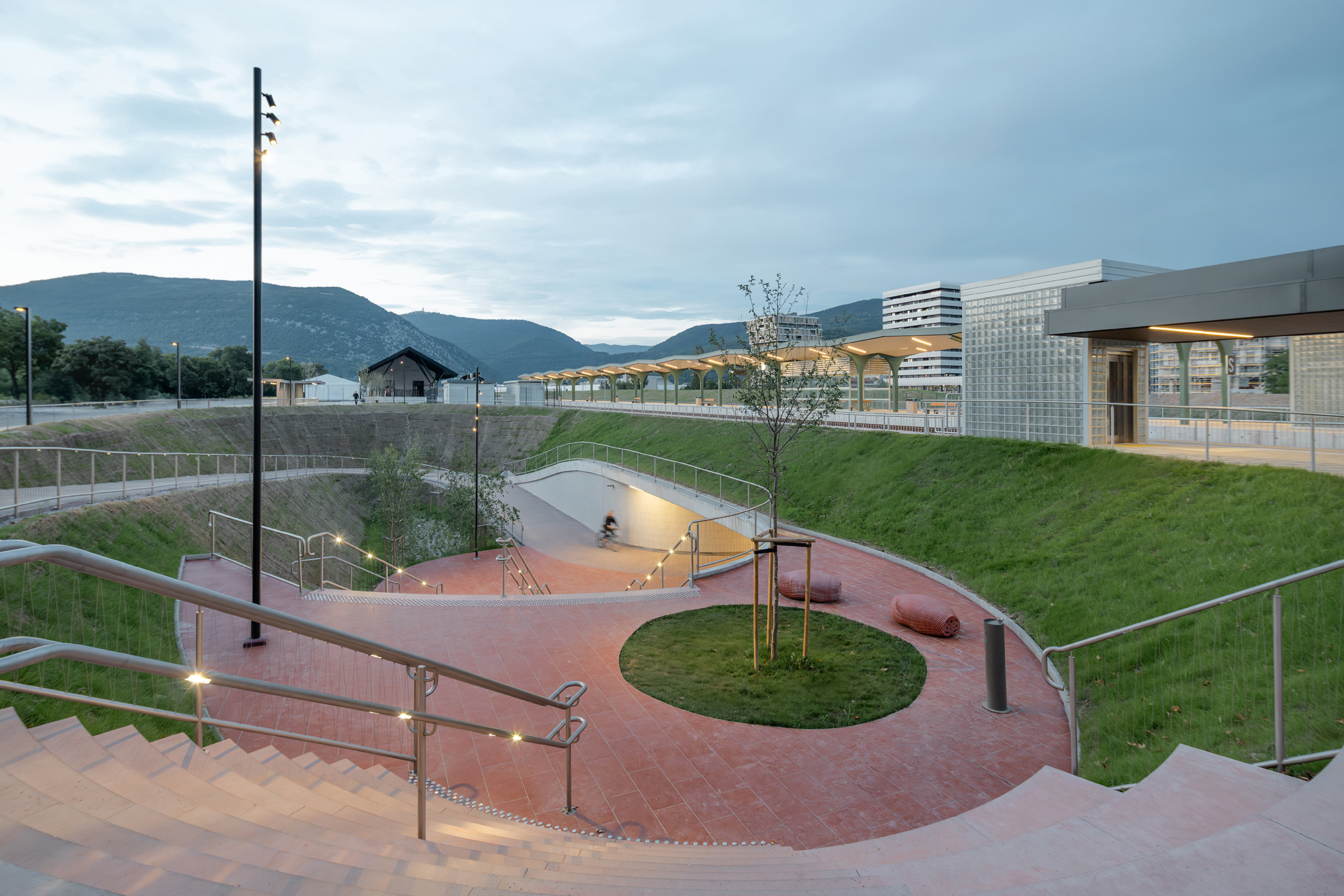
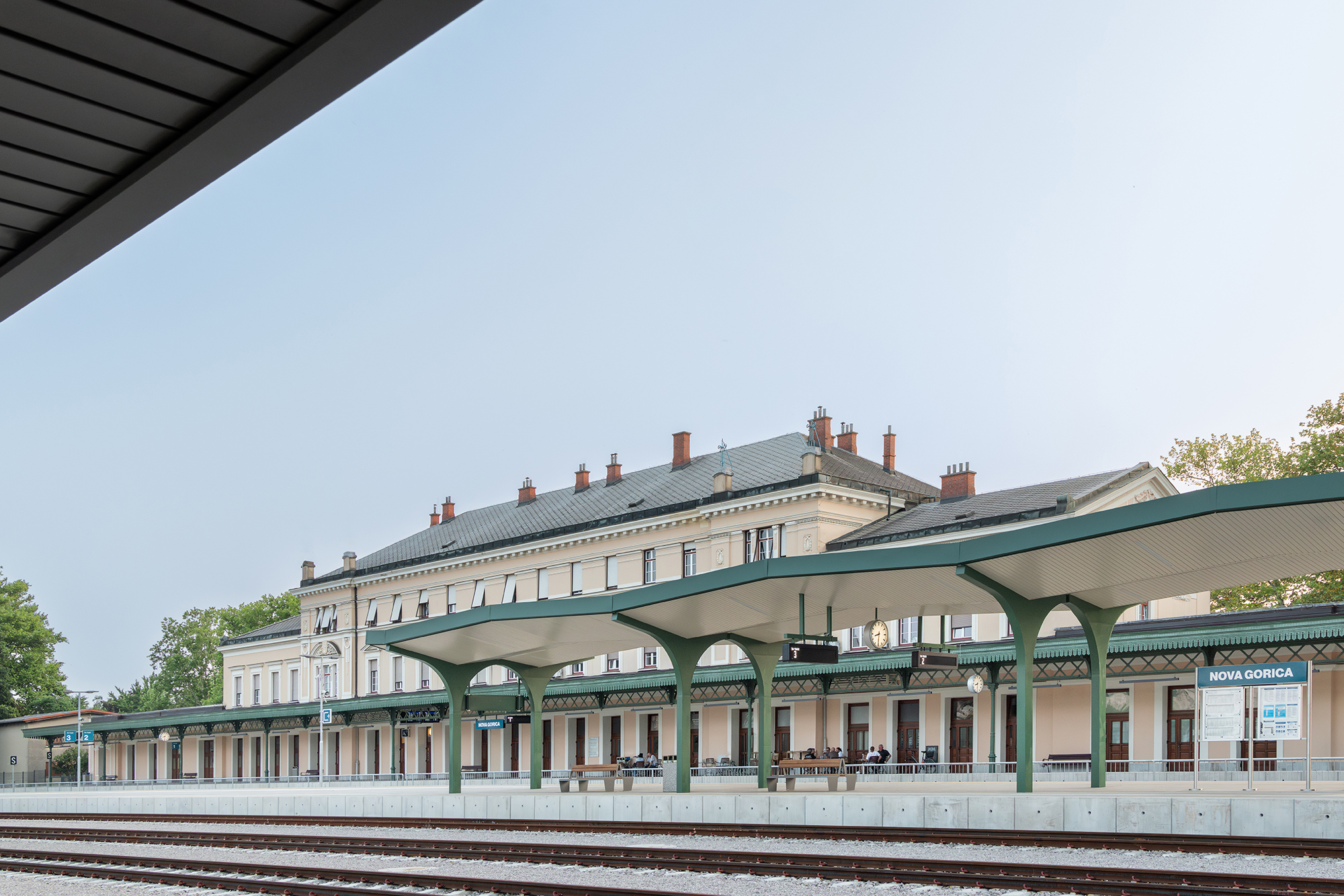
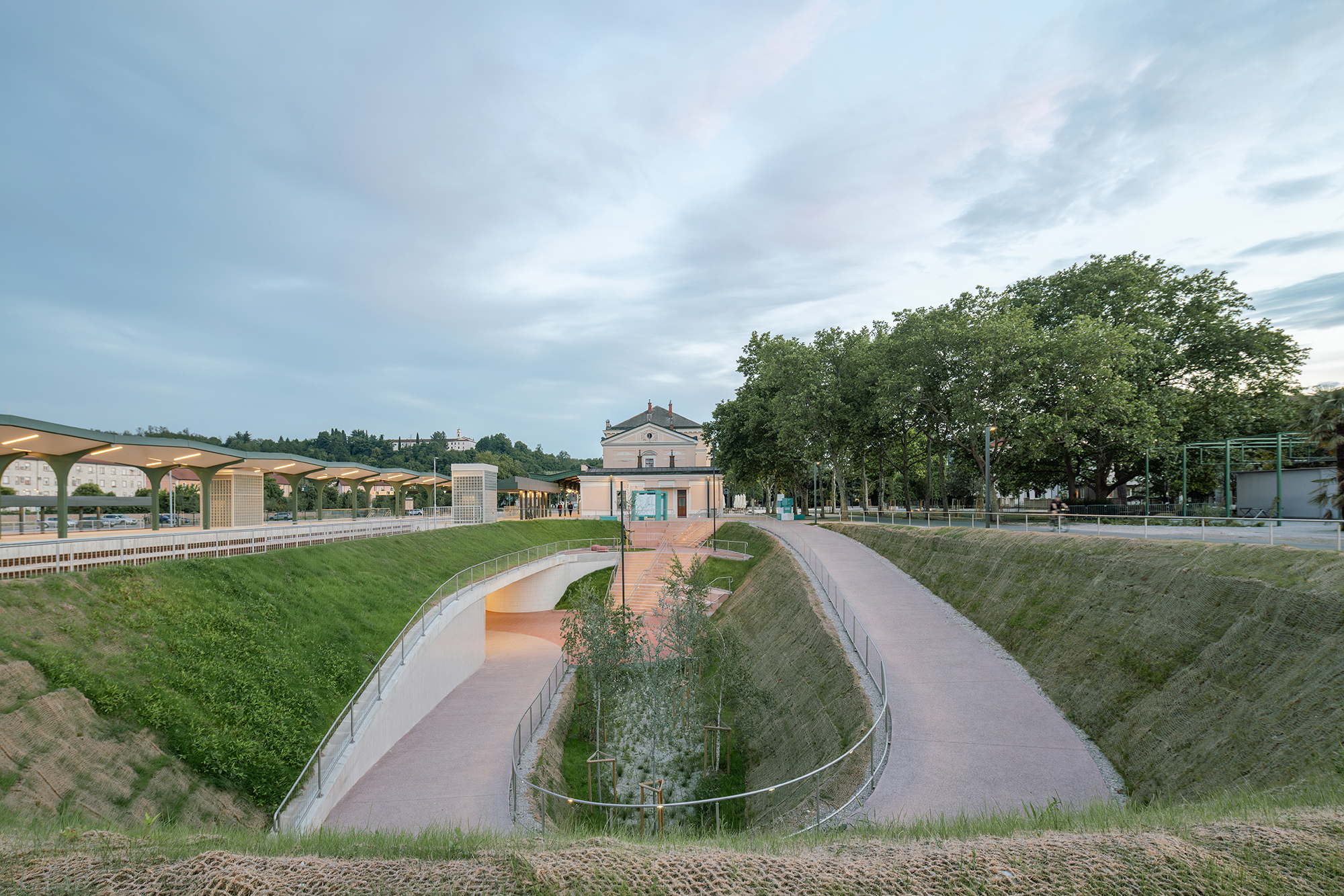
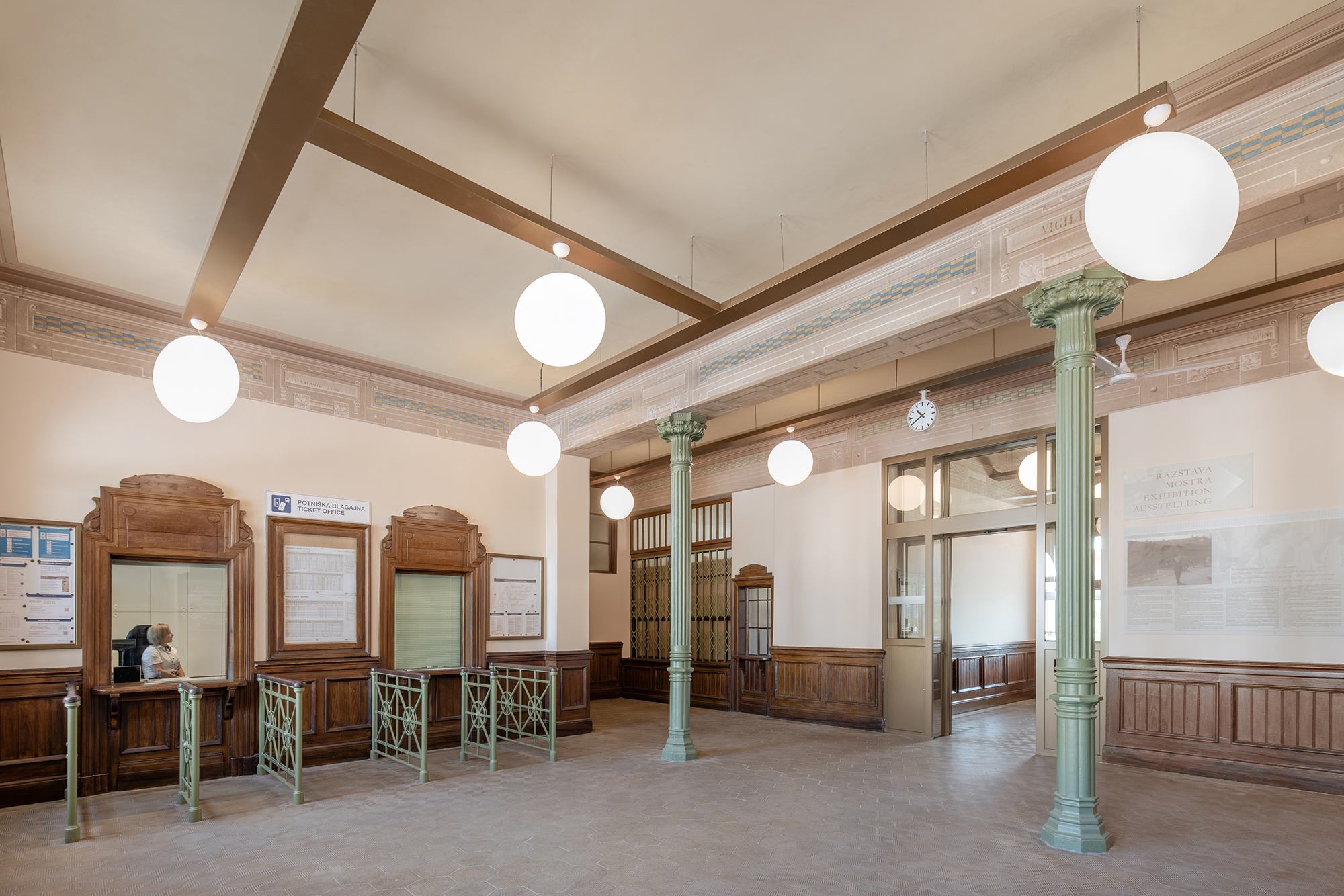
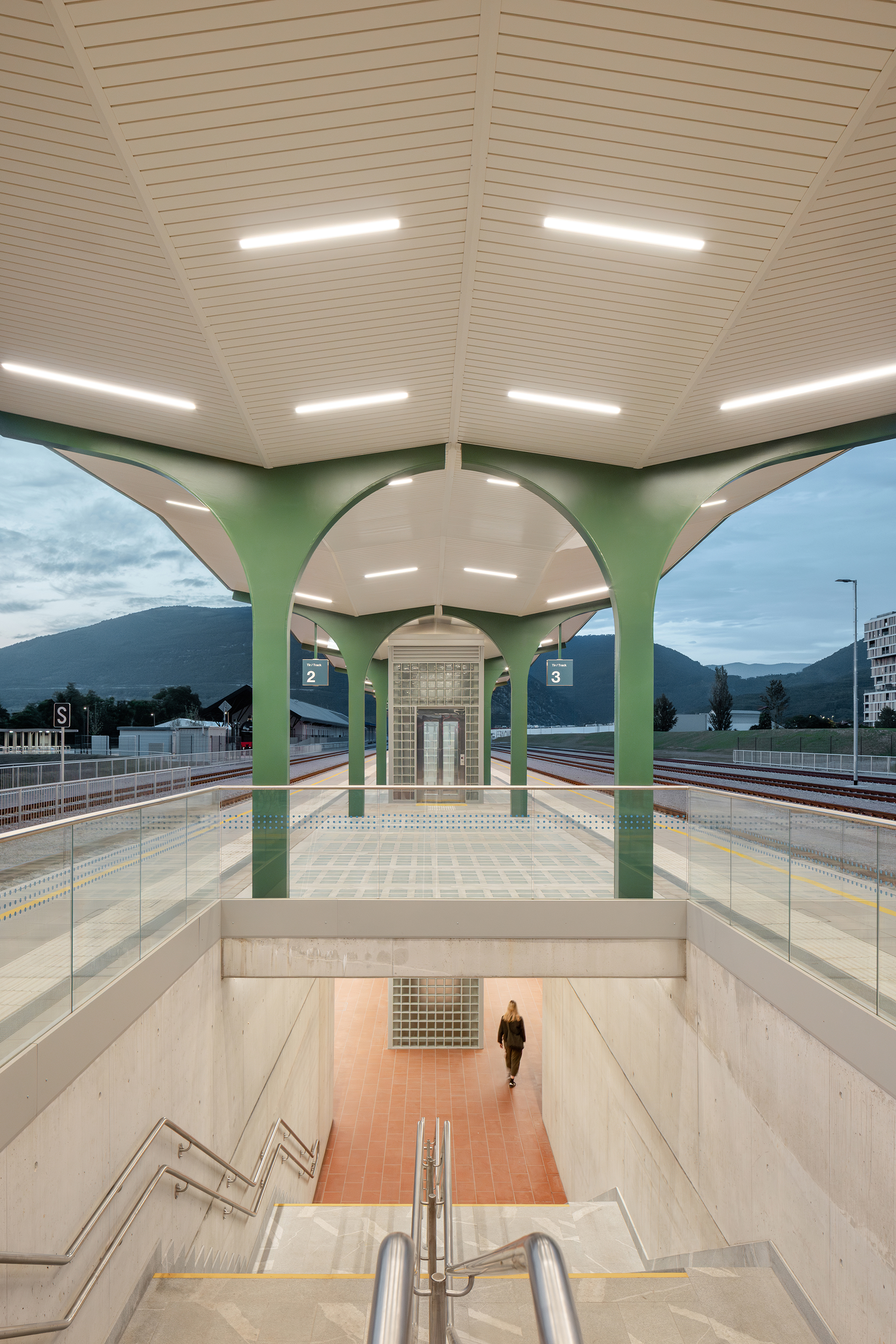
In 2025, Nova Gorica (Slovenia) and Gorizia (Italy) share the title of European Capital of Culture, symbolizing a new connection between the two cities. The renovation of the Transalpina station and redevelopment of the railway area – with reconfigured tracks, new platforms, and the Vrtača underpass – physically embodies this once-divided territory coming together. The main challenge was to reimagine the future of the station area. The first step was reducing the tracks from 14 to 6 and adding a new island platform, which created space for the Vrtača Underpass – a safe, direct pedestrian link between the two cities for the first time. The off-level access to the passenger platforms is an important new urban gesture that spatially and programmatically integrates the infrastructure of the underpass with the design of the public space. The underpass is thus not designed only as a utilitarian connection, but also as a space for walking, meeting, sitting and gathering. The materiality of the underpass was carefully selected to create a bright and welcoming public space. Natural daylight, glossy white reflective wall tiles, and colored paving together establish a welcoming and safe atmosphere, while clearly separating pedestrian and cycling zones. The brick-colored ceramic flooring continues into the plazas, where colorful stairs and ramps rise toward the station, forming a contrast with the green, planted slopes. This contrast visually softens the scale of the ditches and introduces a natural element into the project. An important part of the project was the renovation of the 1906 Transalpina station, focusing on the entrance lobby, ticket offices, and waiting area, while restoring original elements – paving, wall panelling, columns, canopy, and frescoes – in cooperation with the Institute for the Protection of Cultural Heritage (ZVKDS).