SHORT DESCRIPTION
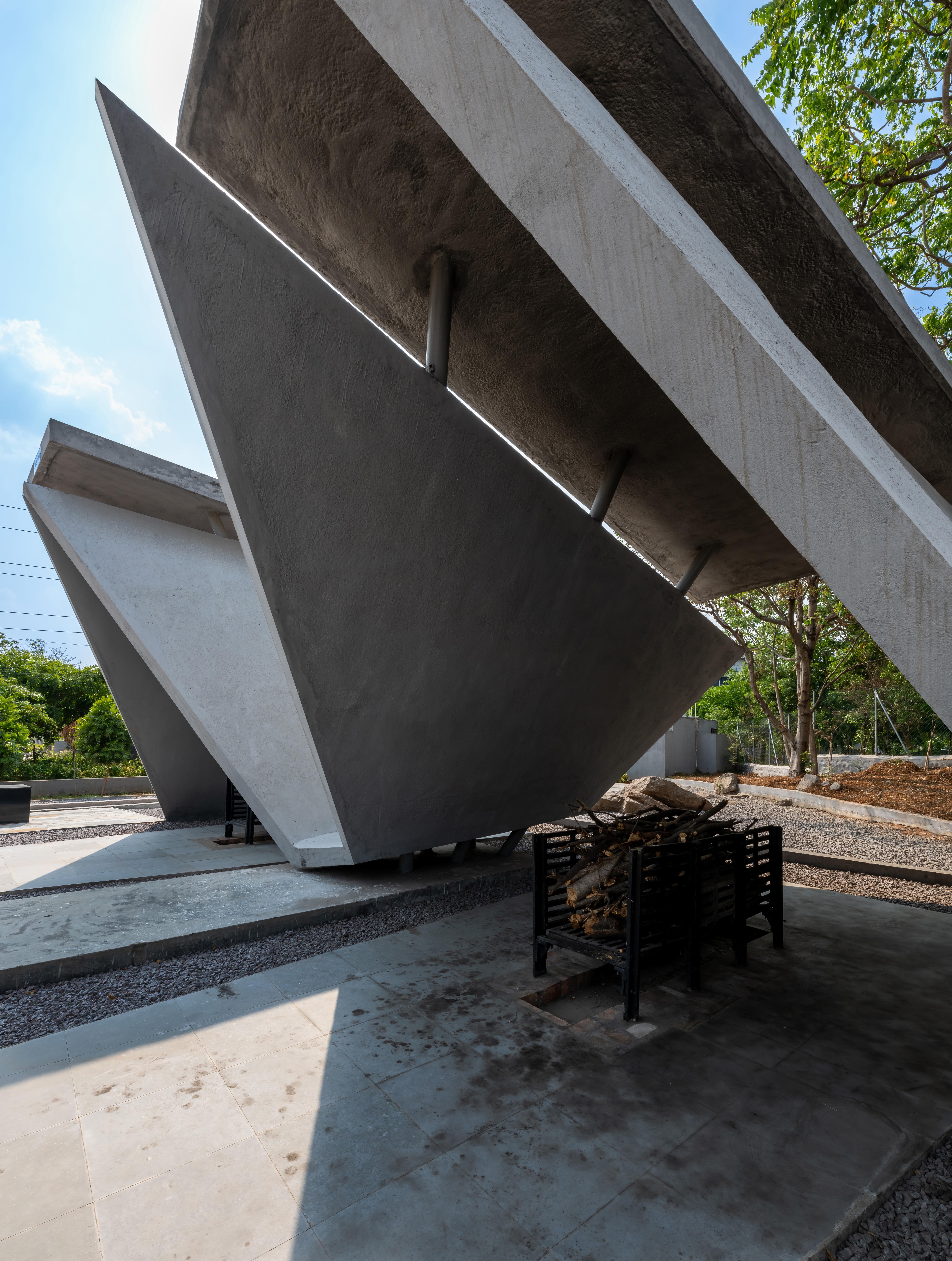
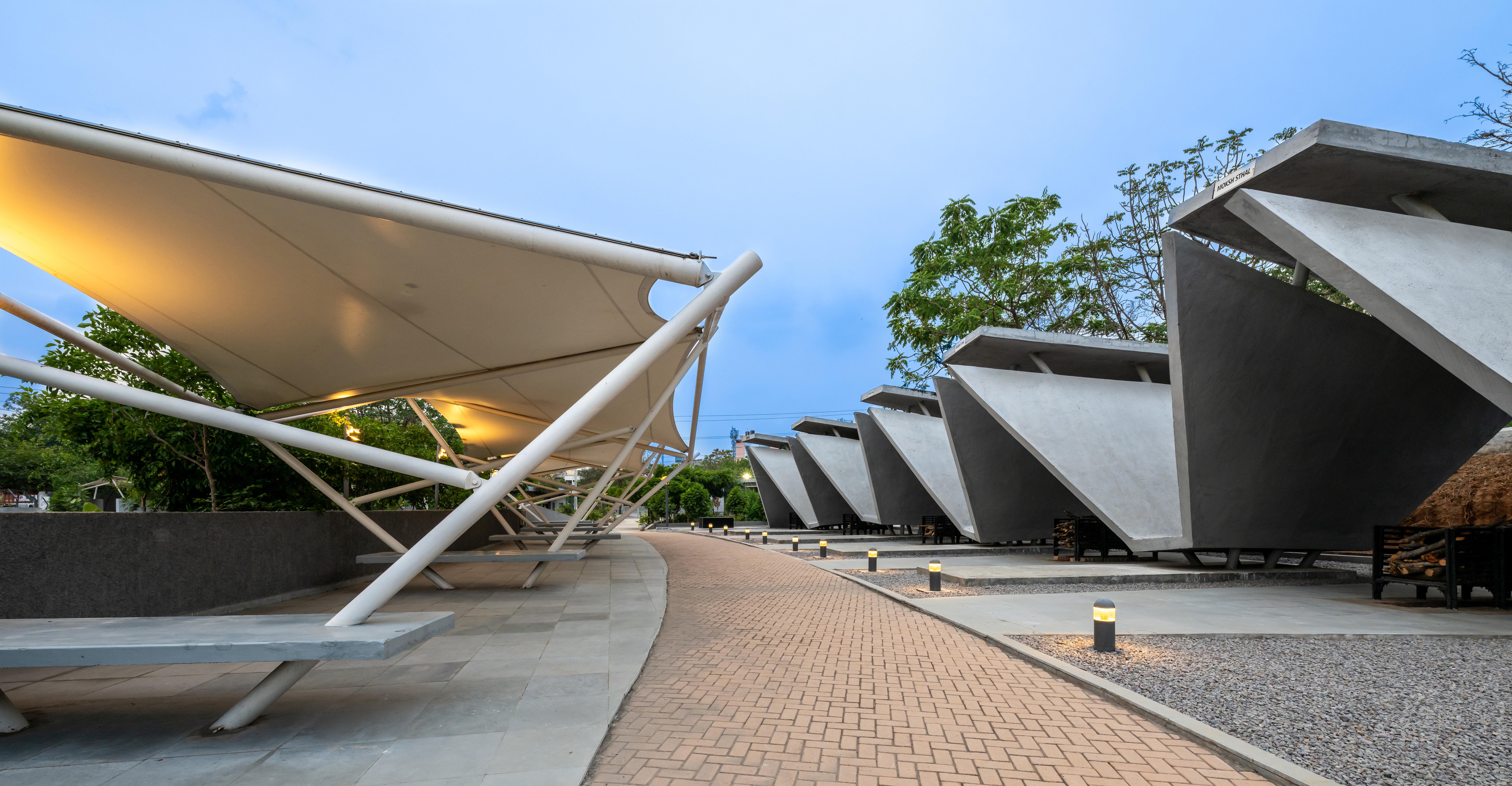

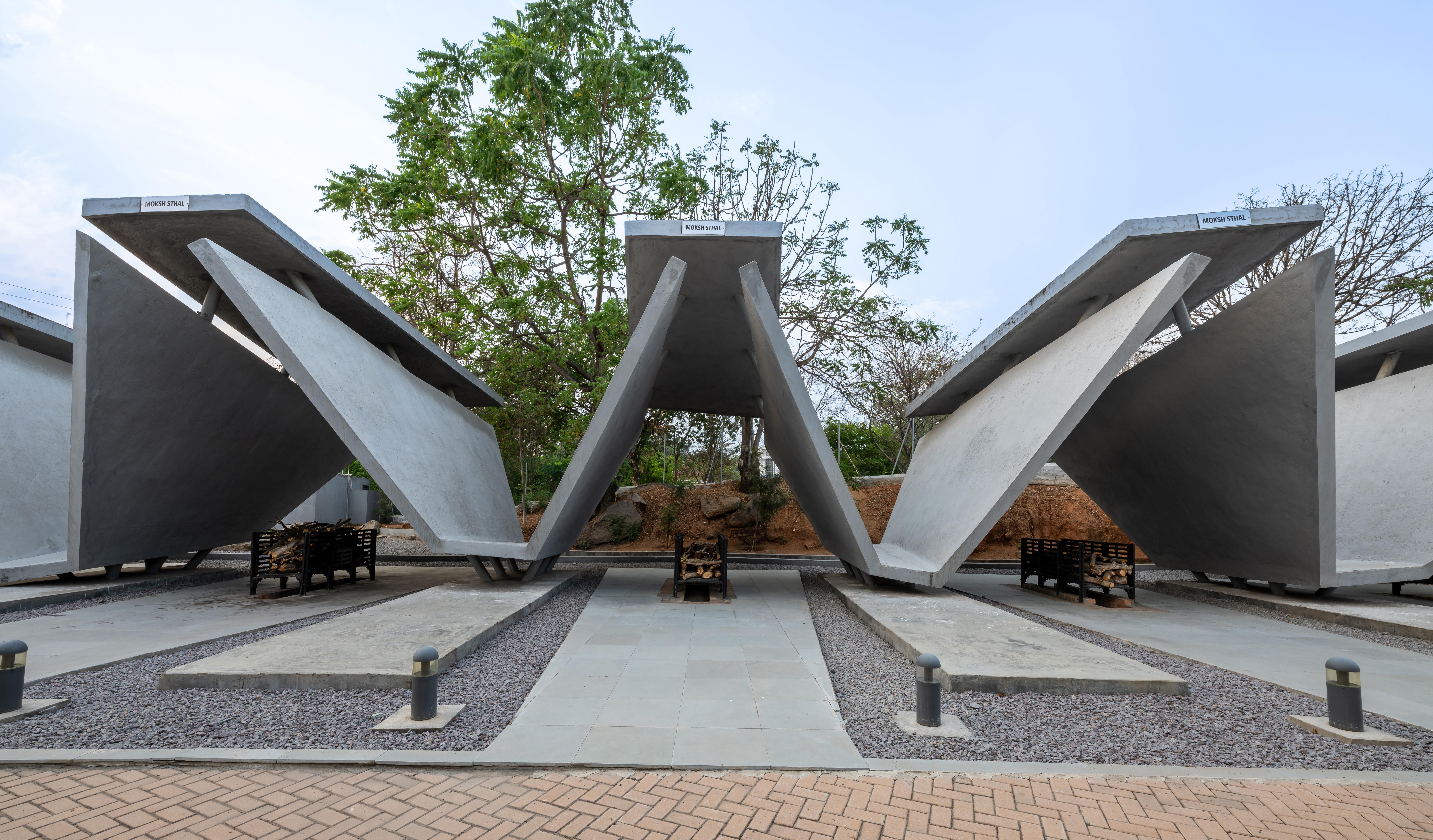
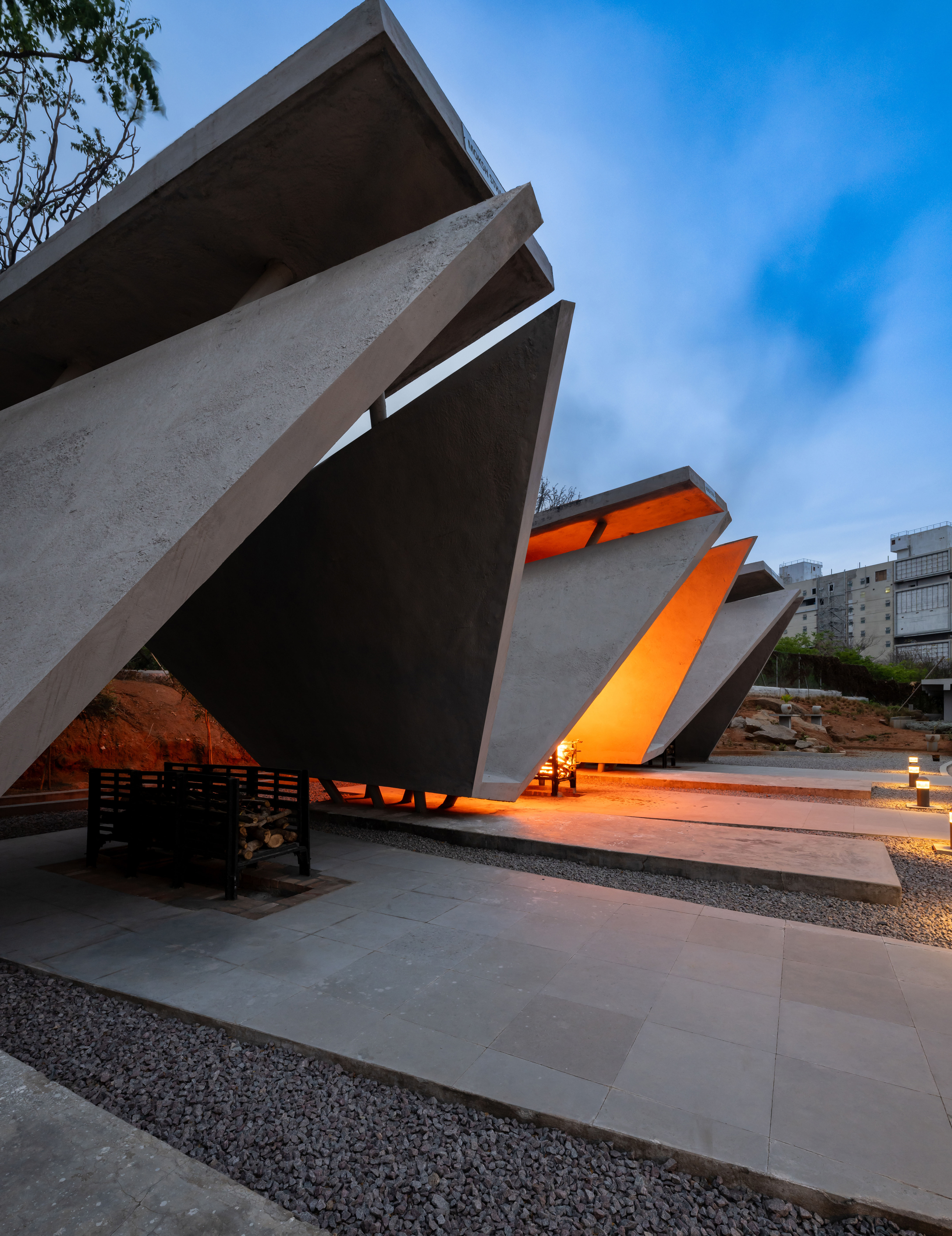
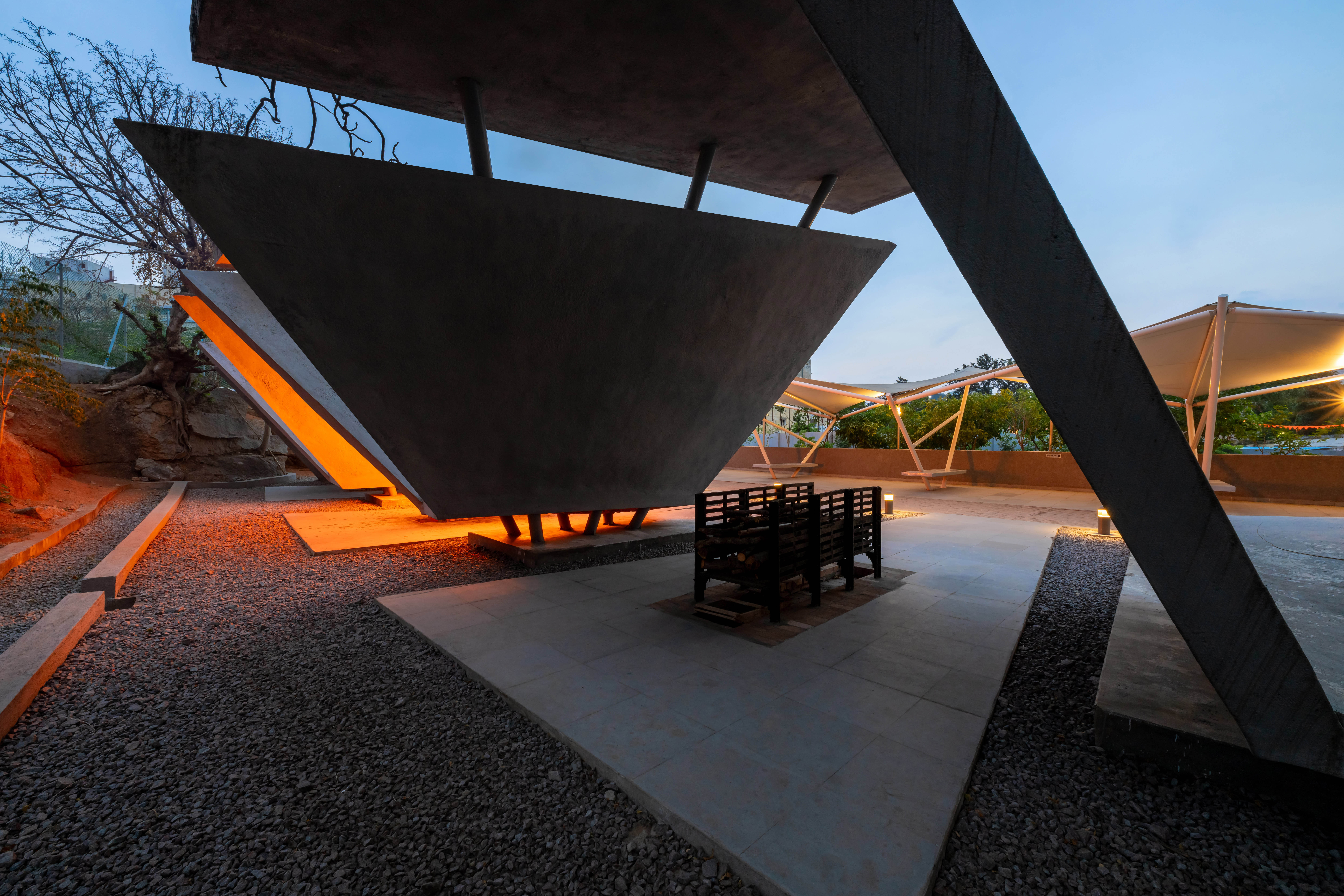
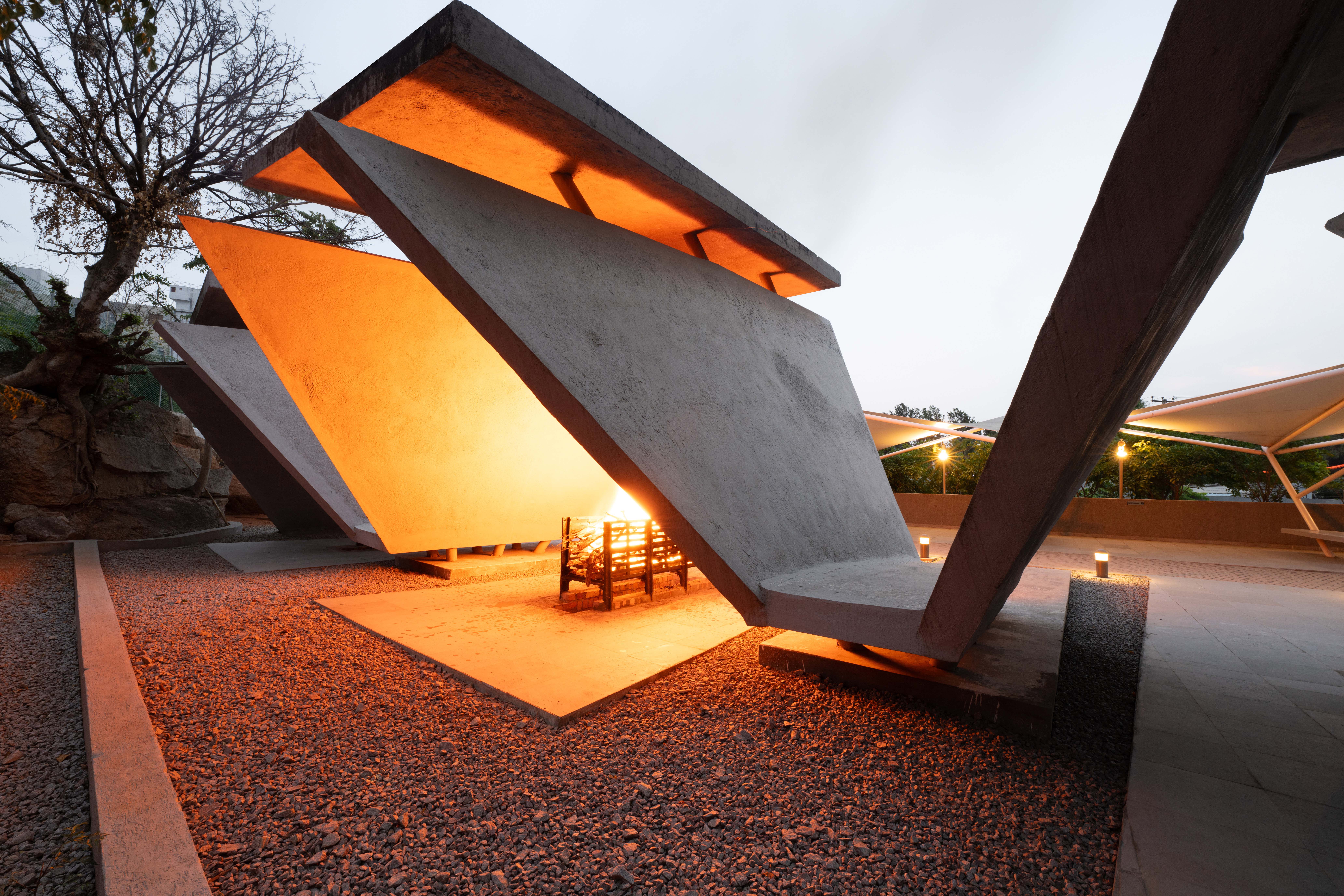
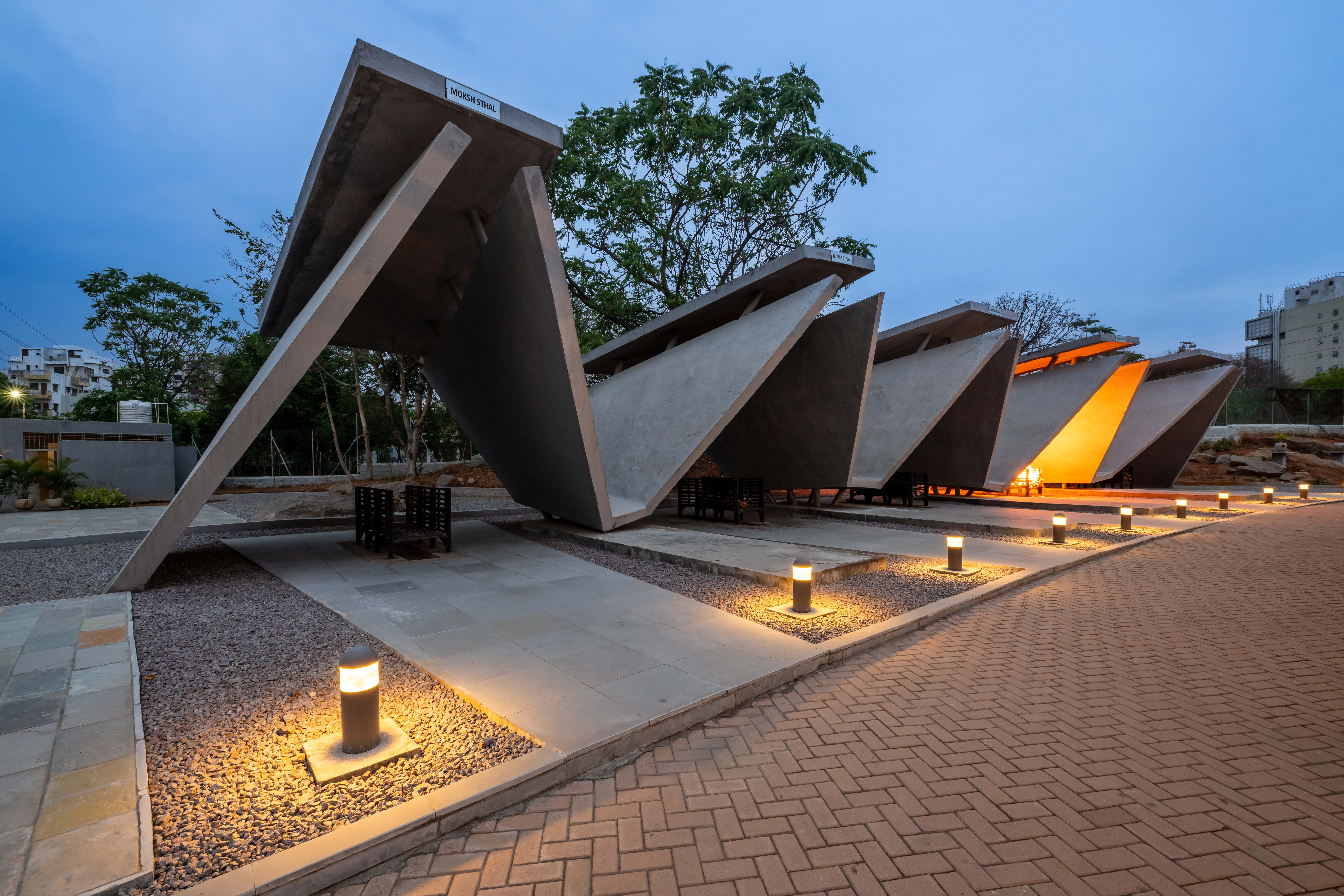
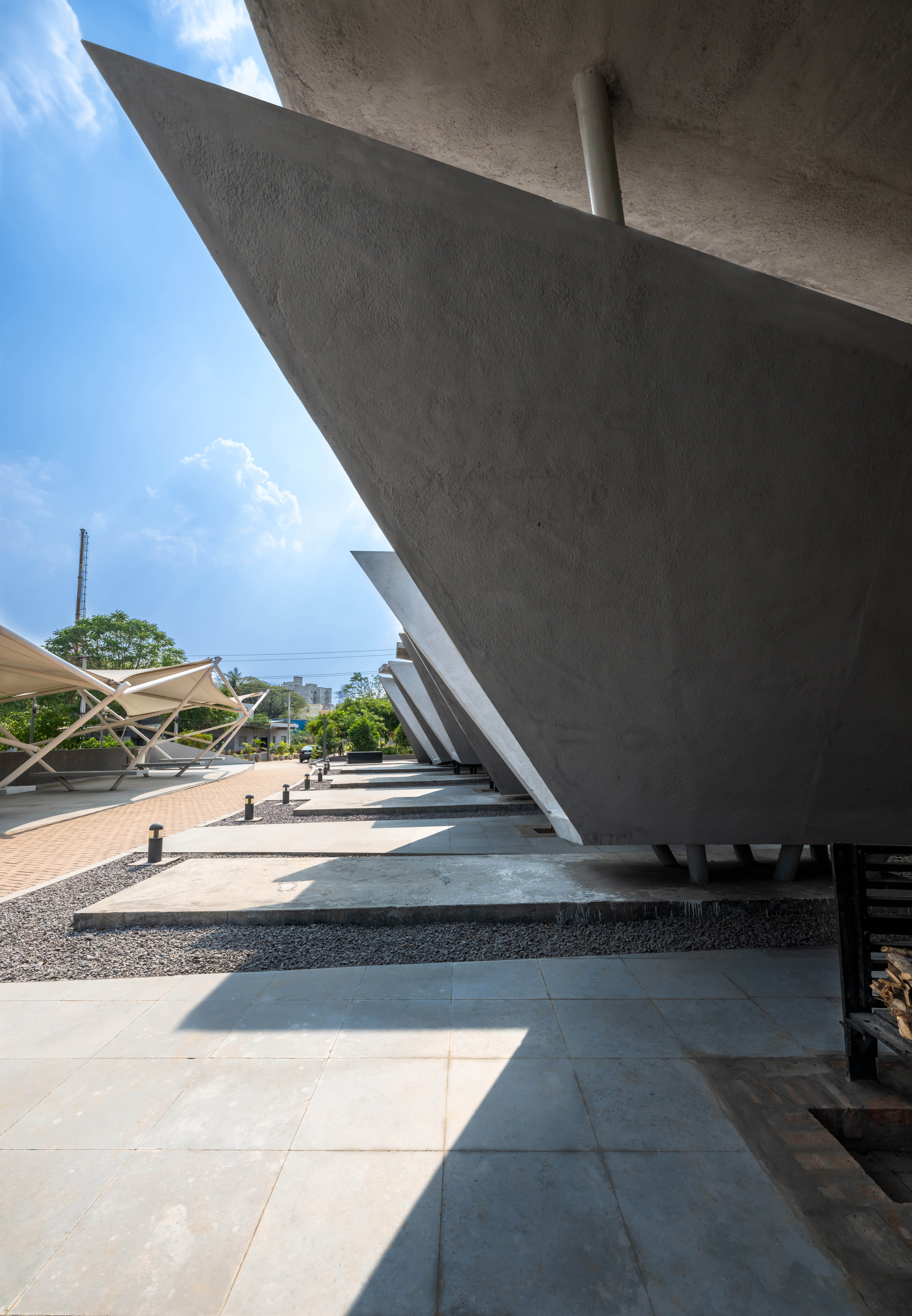
INTENTION [the context] Very deep in the hustle of city noises, one need a space to relive, express and eventually walk the acceptance of loss. A relatively empty pocket of land was allotted to dedicate to a possibly quite seclusion; as expected to be able to express one’s sorrow and grief in privacy. SIGNIFICATION [the presence] A cluster of planes form portals of cremation pyres. To be able to engage the living, to help relive memories, to help move on, to let go, to accept death; the 'Vaikuntha Mahaprasthanam' is a Hindu Crematorium that symbolises a doorway, an archway, a passageway, a threshold of departure into the higher realms of life & living, of soul & self. MANIFESTATION [the FORM itself] 1 [PYRE] Planes forming portals; angling of the walls are protective and supportive, whilst they create a passage for peaceful passing of the deceased. The architecture of the crematorium formally is very fragile looking- as if it were in need of support. Very like a human being who’s lost someone; but only under such adverse conditions does an individual’s strength surfaces, hence the structure is a cluster of forms giving strength to each other. All in all a symbolic representation of the shouldering the burden as a family weighed down by the sorrow of losing someone close. 2 [WAITING AREA] Membranes of the waiting area help form a mnemonic screen of recollections, reminiscence, flashbacks and so on. The twisted feeling of lost and losing one’s bearings followed by grief and initial shock is represented in the form of the waiting area structure.