SHORT DESCRIPTION
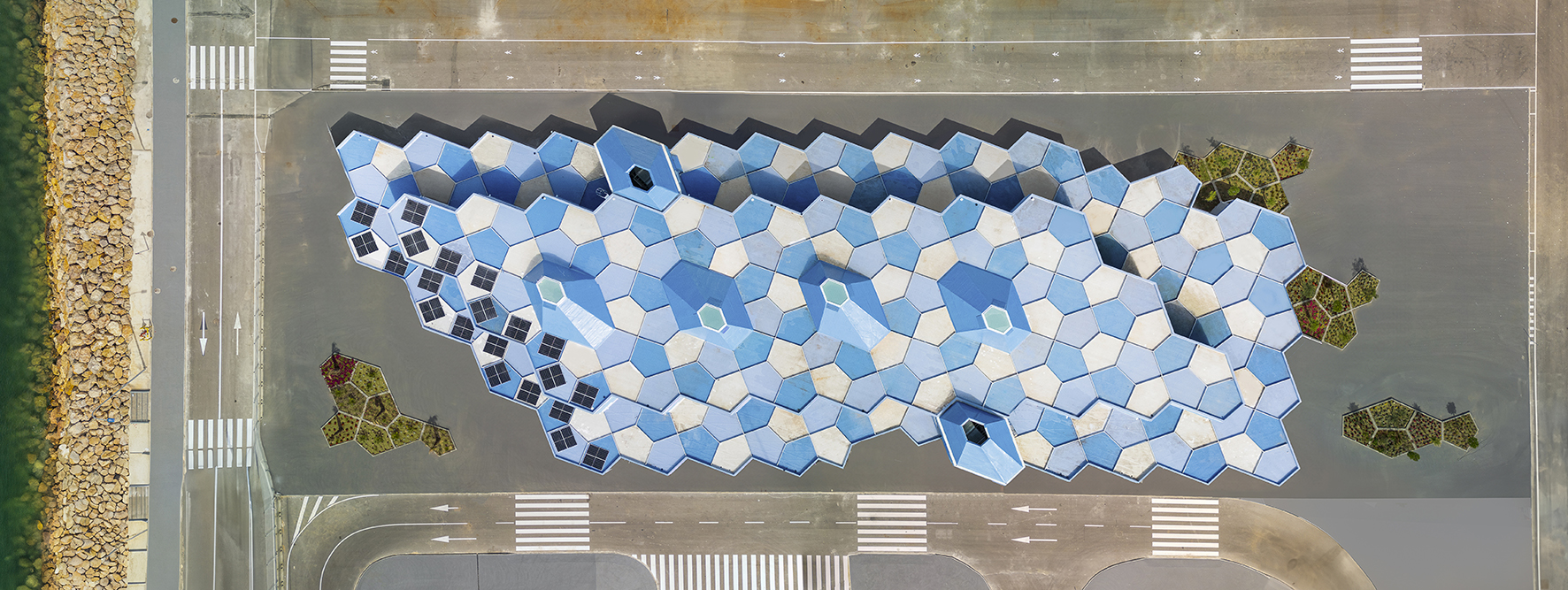
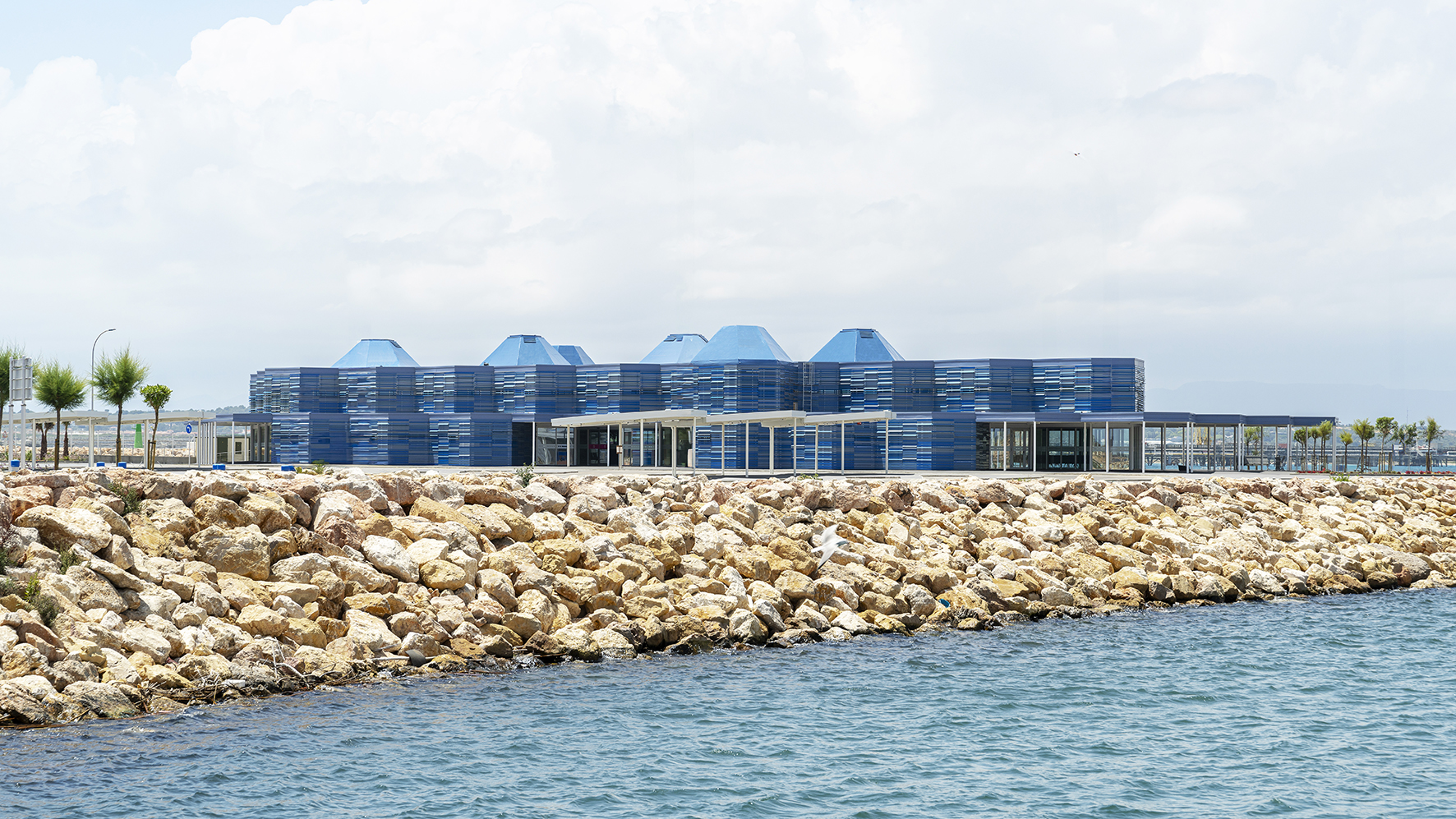
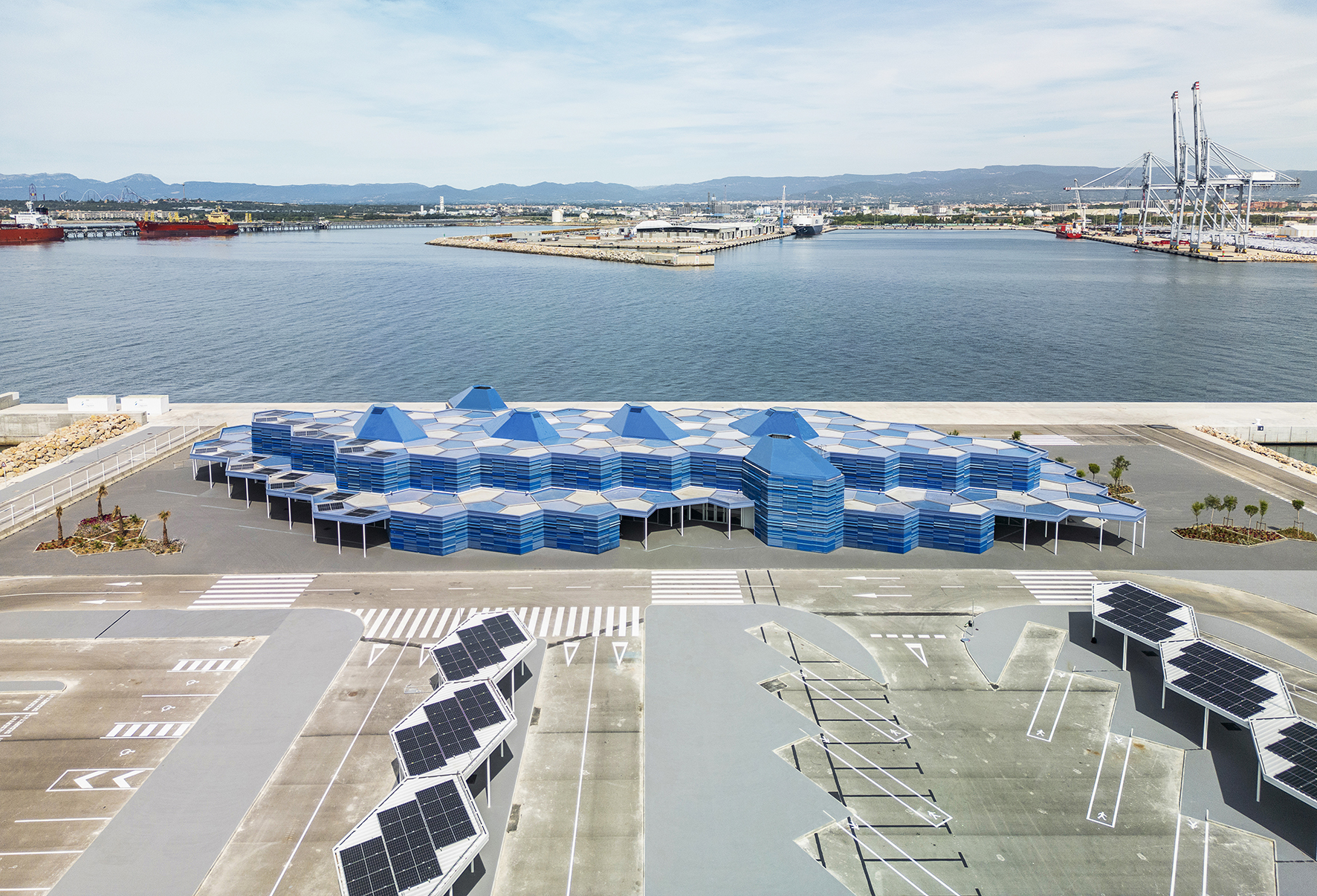
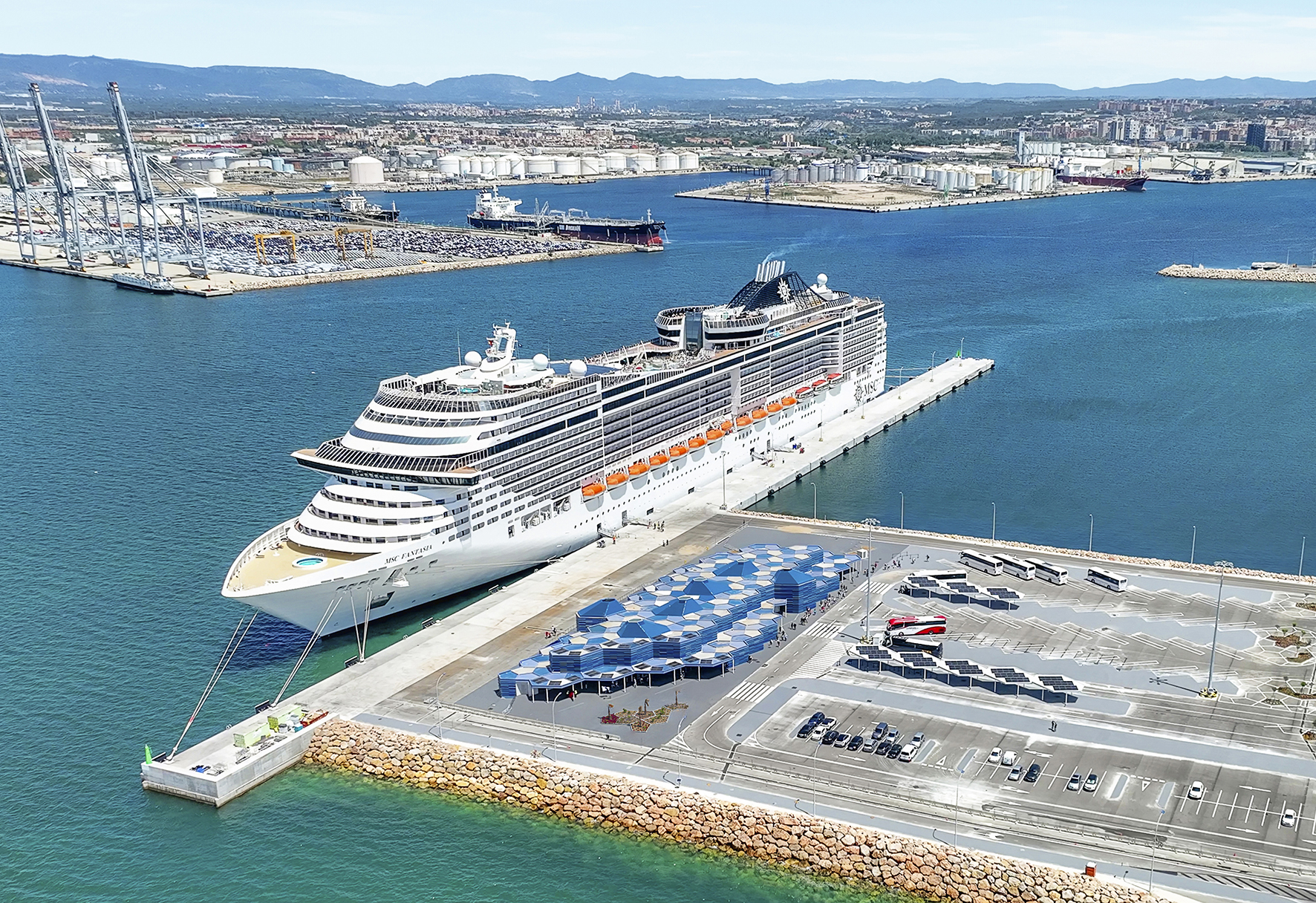
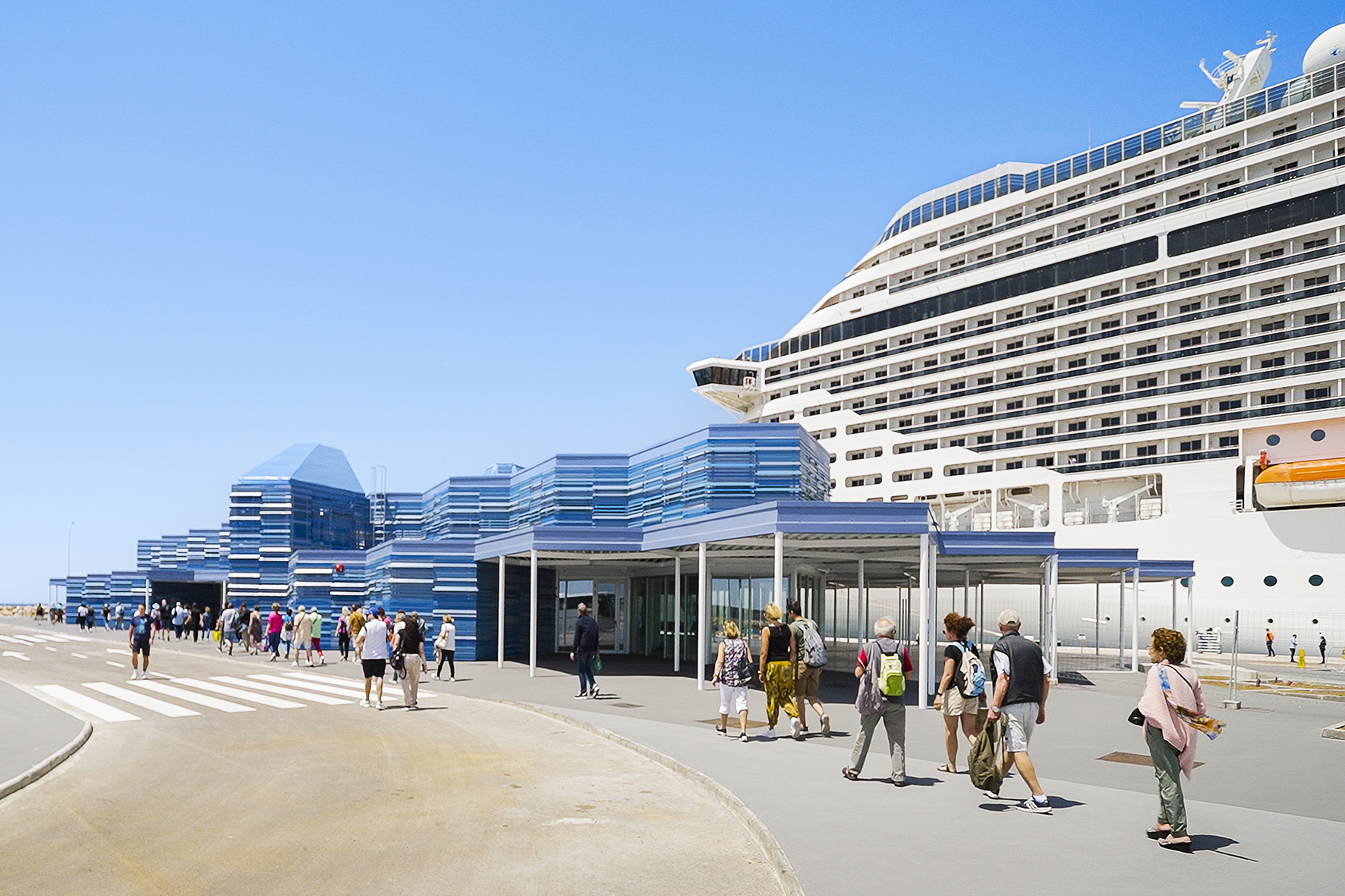
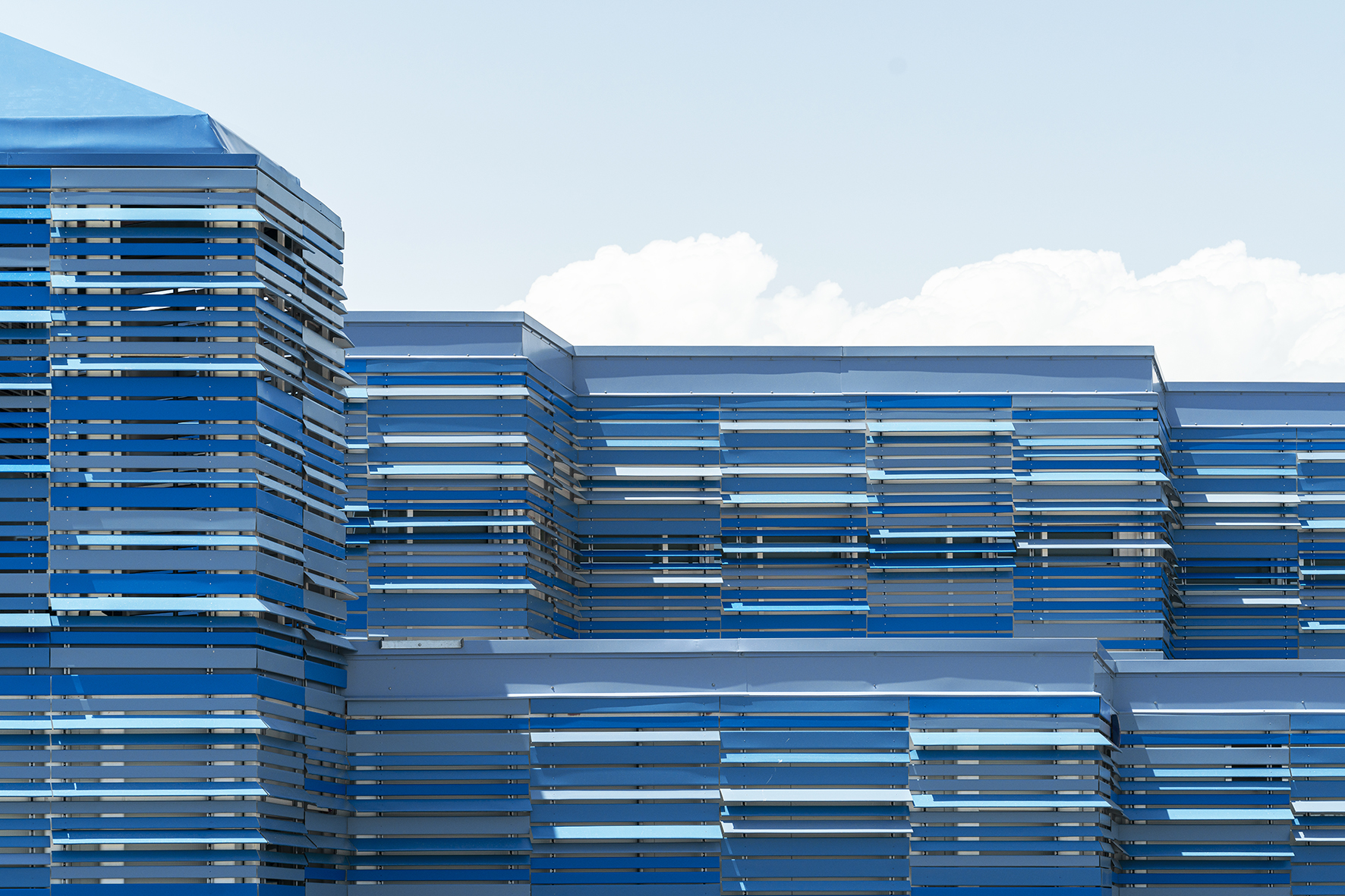
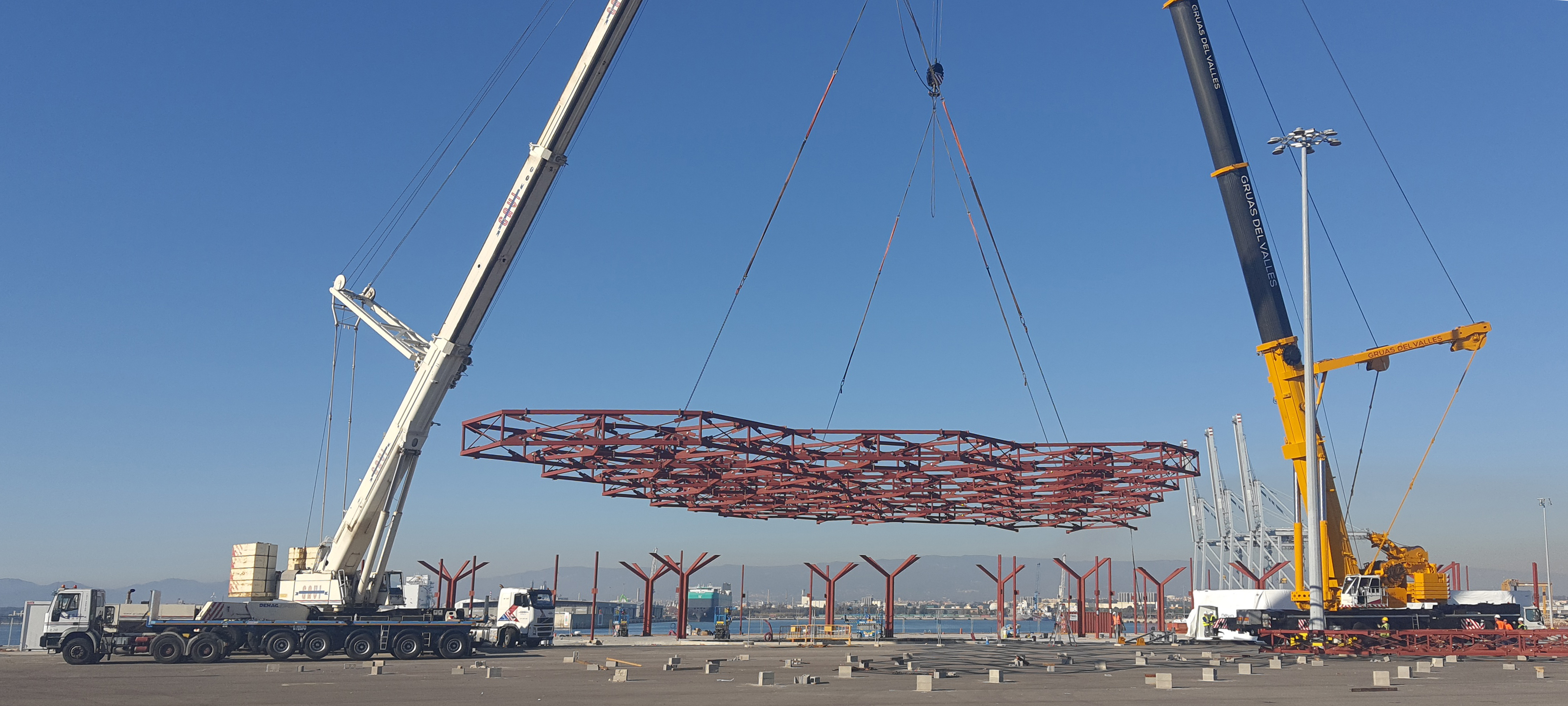
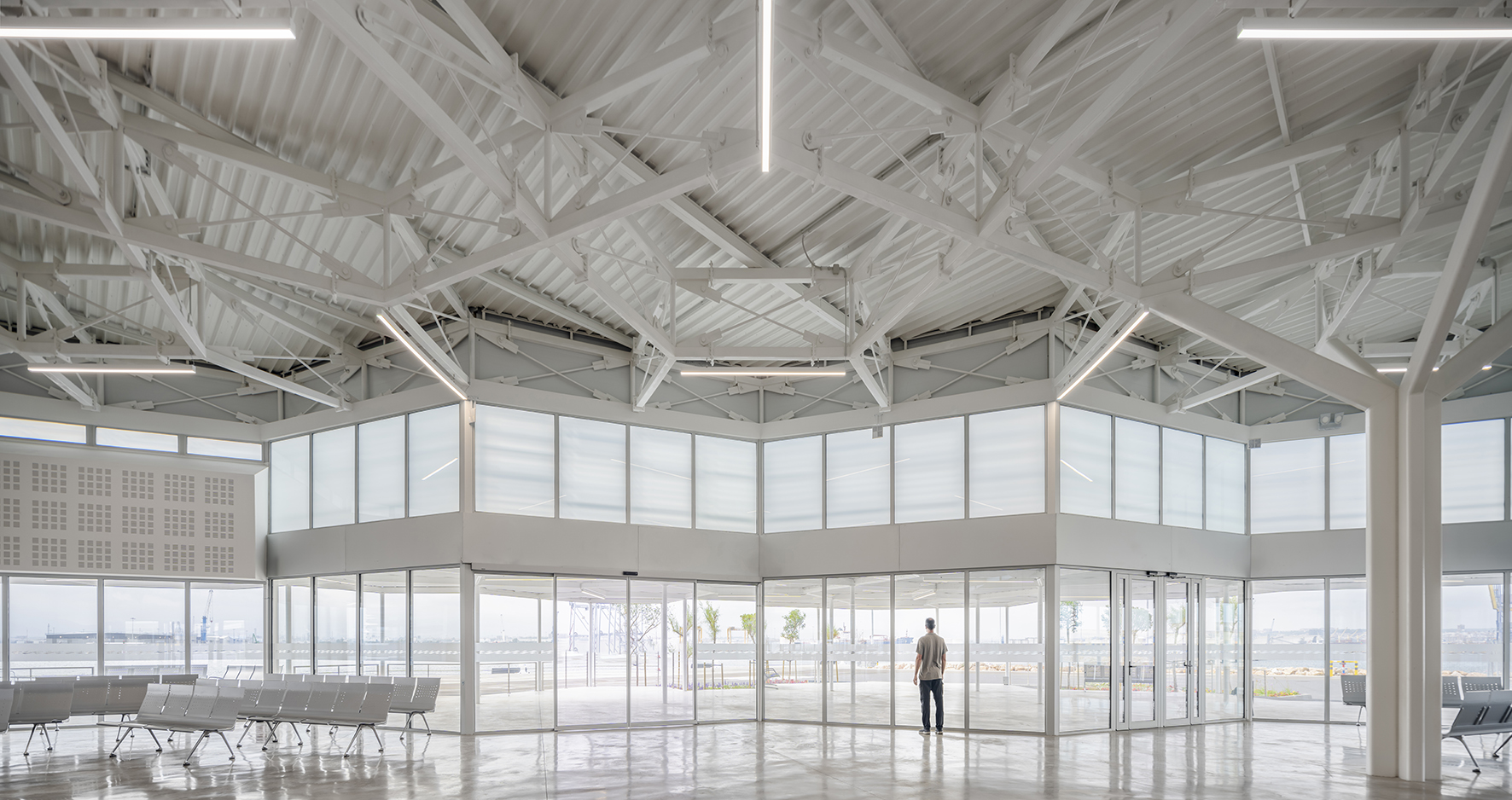
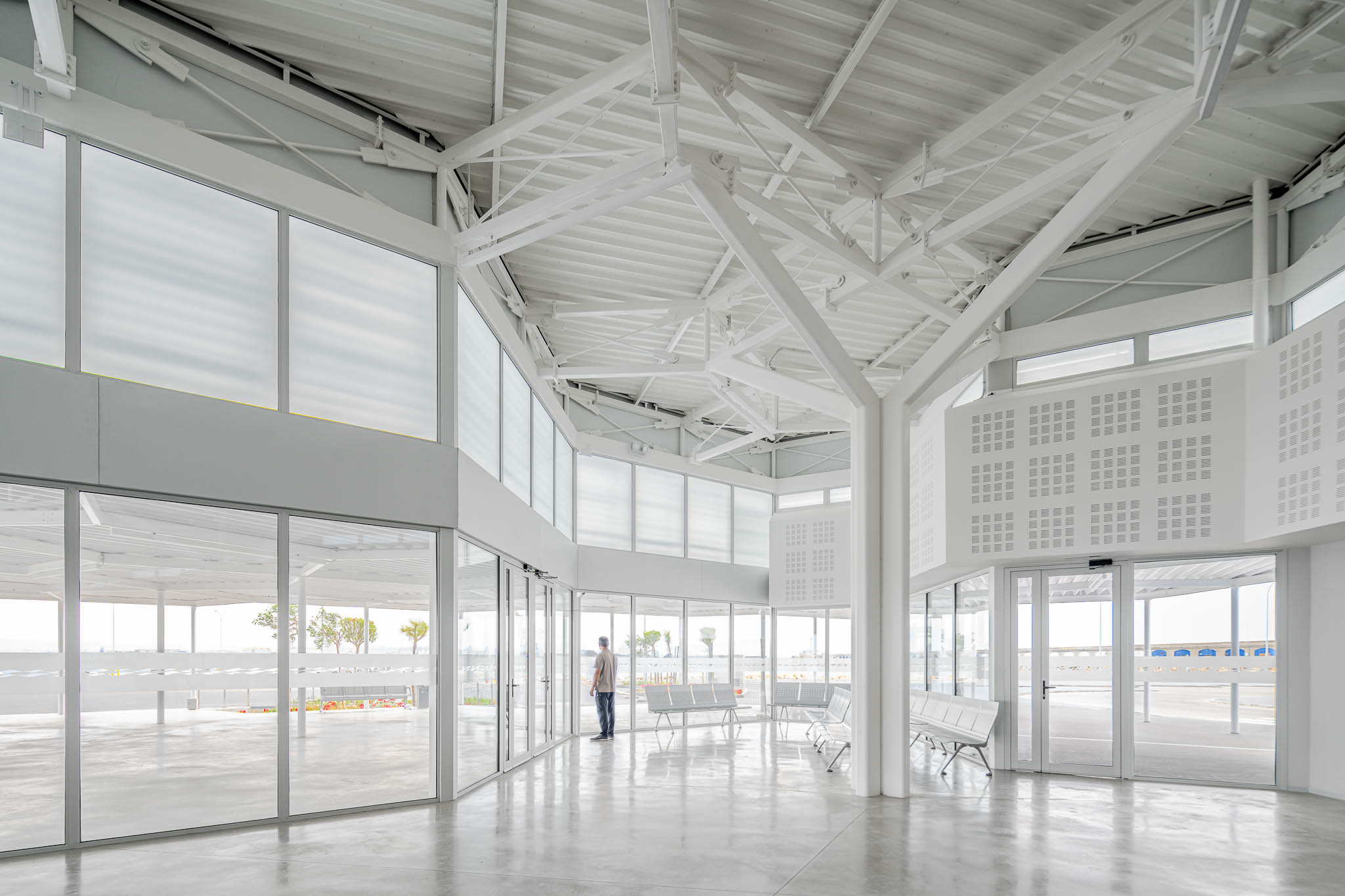
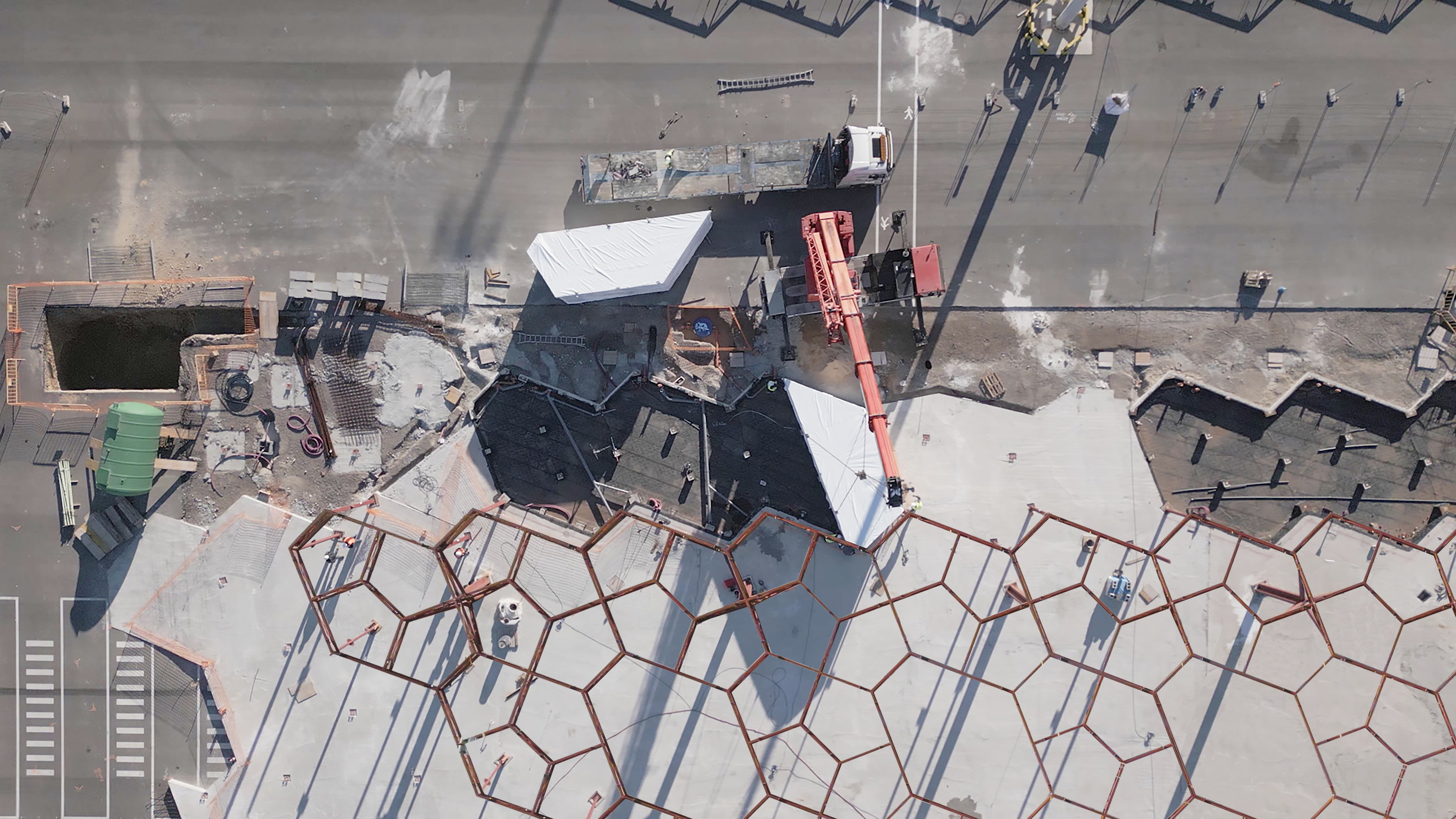
In response to the demands of an unpredictable future, a new architectural paradigm is emerging: one that is adaptive, lightweight, and modular. This approach moves away from traditional, heavy construction methods towards industrialized off-site production, creating structures designed to evolve. Such buildings can be easily expanded, transformed, reduced, or even economically dismantled and relocated as needs change, all while maintaining their architectural integrity. The Tarragona Public Passenger Terminal is a pioneering example of this philosophy. It utilizes modular, industrialized construction but breaks from the monotony of conventional rectangular boxes. Instead, it features a complex geometric design inspired by Mediterranean heritage and the mathematics of tessellation. This non-orthogonal geometry is not only aesthetically striking—evoking organic underwater forms and traditions from Roman mosaics to Modernist trencadís—but also functionally enhances passenger flow. The building’s roof acts as its main façade for viewers from arriving cruise ships, showcasing a unique pattern of identical irregular pentagons crowned by large, mollusk-shaped skylights. Inside, the dynamic geometry is expressed in visible metal structures, creating an atmosphere reminiscent of ancient Catalan markets and an underwater landscape flooded with natural light. This architectural lightness is a key indicator of its sustainability. The minimal mass mobilized translates to reduced material and energy use. Crucially, the building's low weight allowed for a shallow foundation on the site’s fragile, artificial dock, a feat impossible with traditional construction, which would have required deep piles. This resulted in remarkable environmental achievements: a 55% reduction in waste, 60% lower CO2 emissions, and an 80% reduction in water consumption. Furthermore, the project was completed in a record time of under ten months due to its off-site fabrication, minimizing disruption. The terminal is expandable, recyclable, boasts an "A" energy rating, and stands as a testament to a new, efficient, and sustainable model for adaptive architecture.