SHORT DESCRIPTION
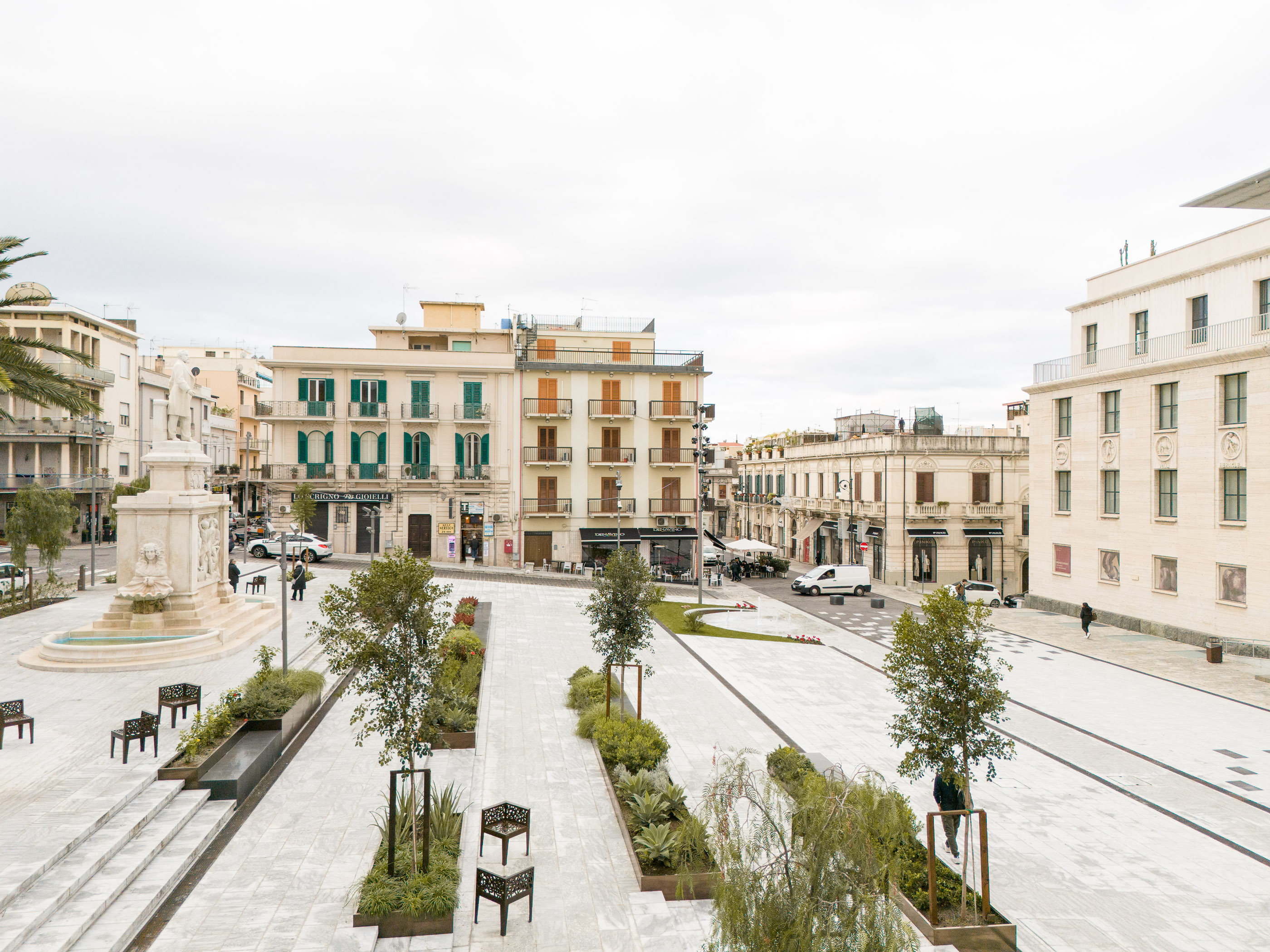
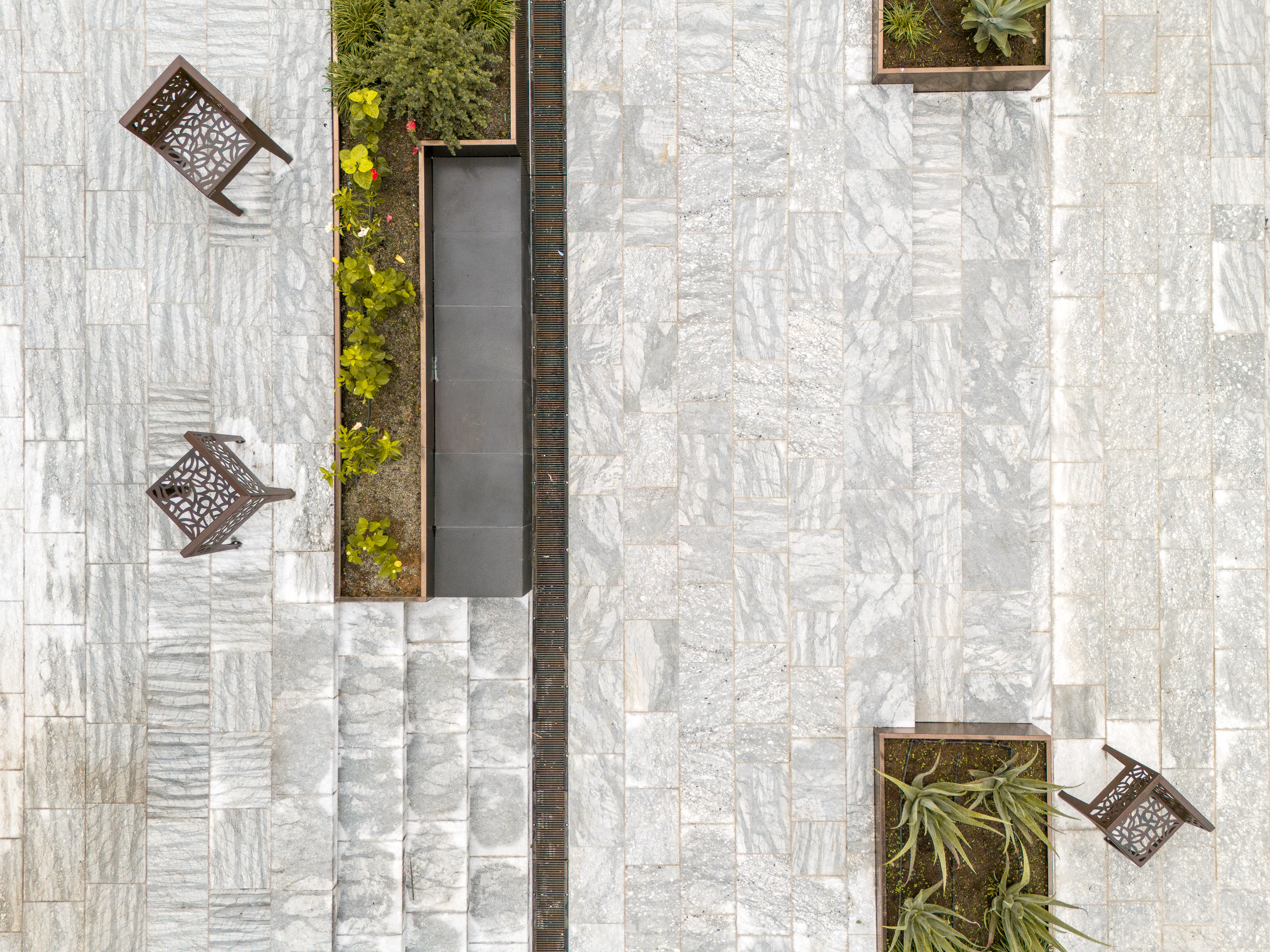
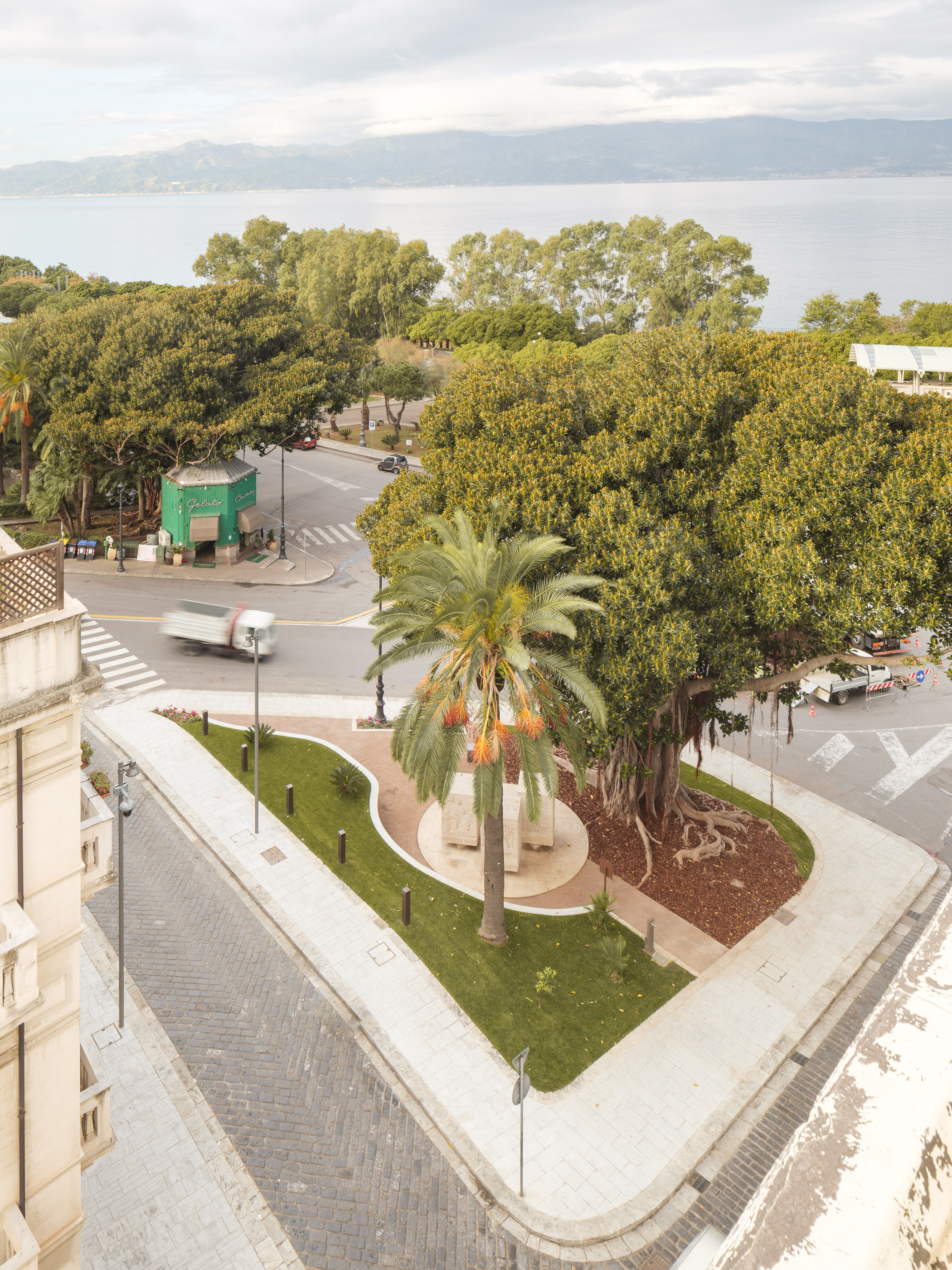
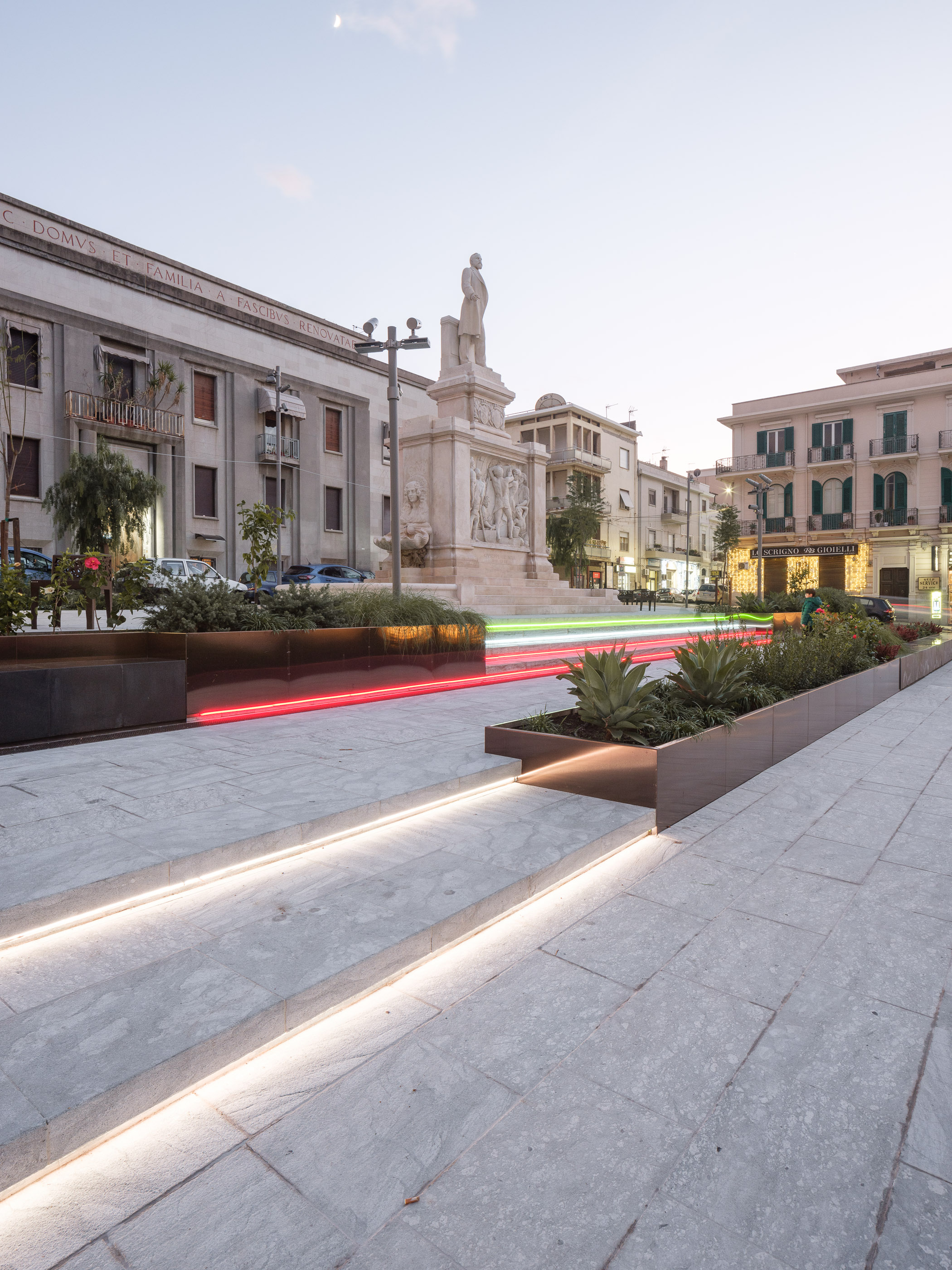
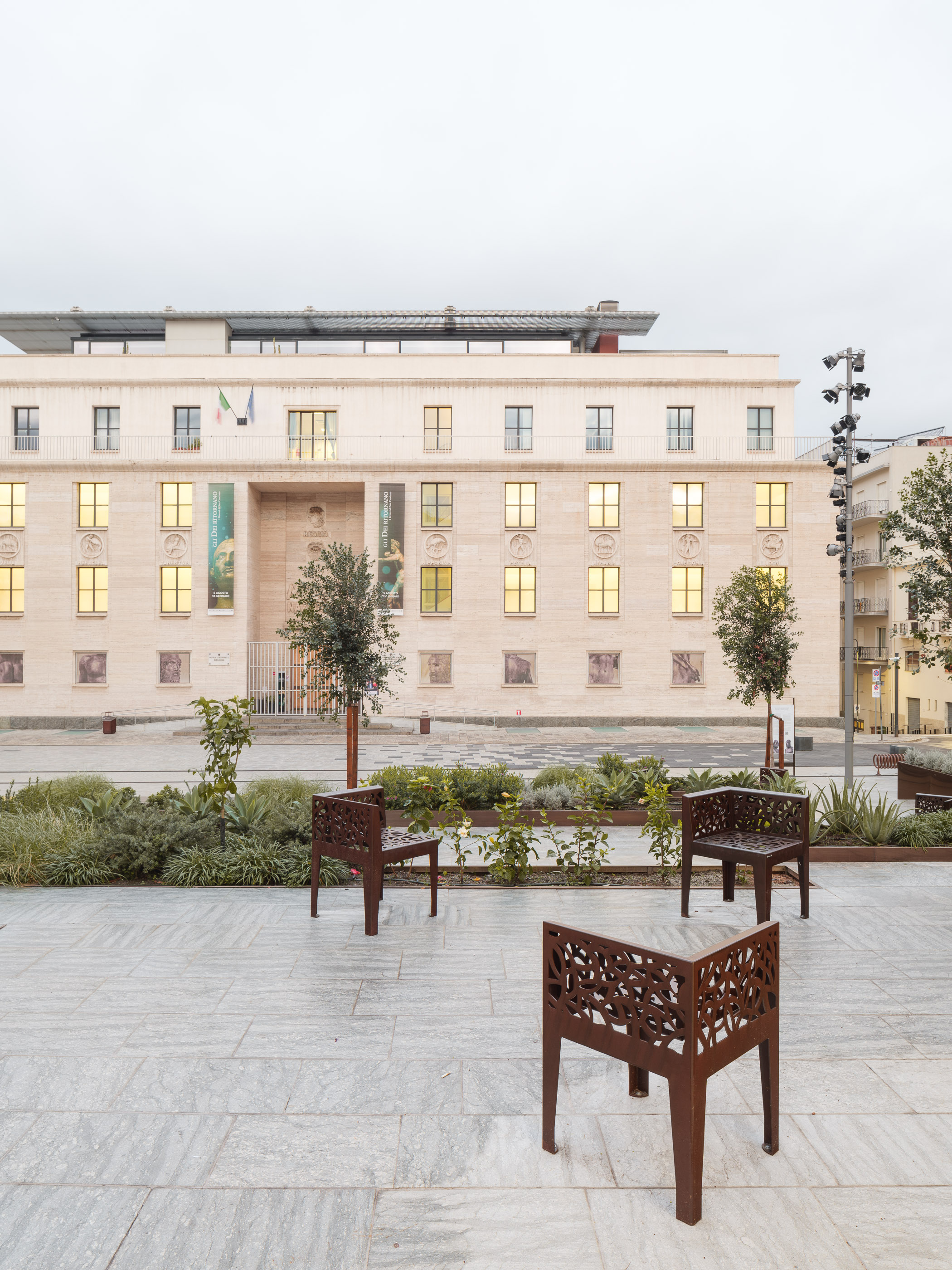
The client's objective was to carry out the redevelopment and restoration of the square in order to integrate the National Archaeological Museum (where the Riace Bronzes are exhibited) and the urban context. The project is very simple, low-impact and ecologically compatible, thanks to the recycling of rainwater, the new RGB+W lighting system entirely based on LED sources, and the planting of new trees and numerous shrubs from the Mediterranean maquis. We’ve combined innovation and tradition: we used stainless steel sheets coated with an innovative PVD system to create solid, iridescent surfaces for the construction of the planters; we repurposed the existing paving stones from beneath the asphalt of the surrounding streets; and we reused the curbstones and stones from the historic staircase. The square is entirely pedestrianised and accessible to all types of users.The new square creates a large urban canvas where recreational and leisure activities can take place both day and night. We’ve introduced two new tall lighting poles, on which groups of projectors capable of illuminating both the Piacentini façade of the Museum and the entire square. The dynamic colour-changing LED strip system, placed in the groove of the new steps, shapes the emotional lighting of the urban square. At night, the new space is a metaphor for the territory: with the blue light, the sea waves breaking on the shore; with the green light, a mountainous slope from the nearby Aspromonte is descending onto the square. The green area has a high biomass that ensures adequate absorption of pollutant emissions into the atmosphere and favours sufficient evapotranspiration to ensure an adequate microclimate. The project envisaged an automatic drip-wing irrigation system for the irrigation of the public green spaces, with water coming from the rainwater collection tanks and recycling tanks for the fountain water.