SHORT DESCRIPTION
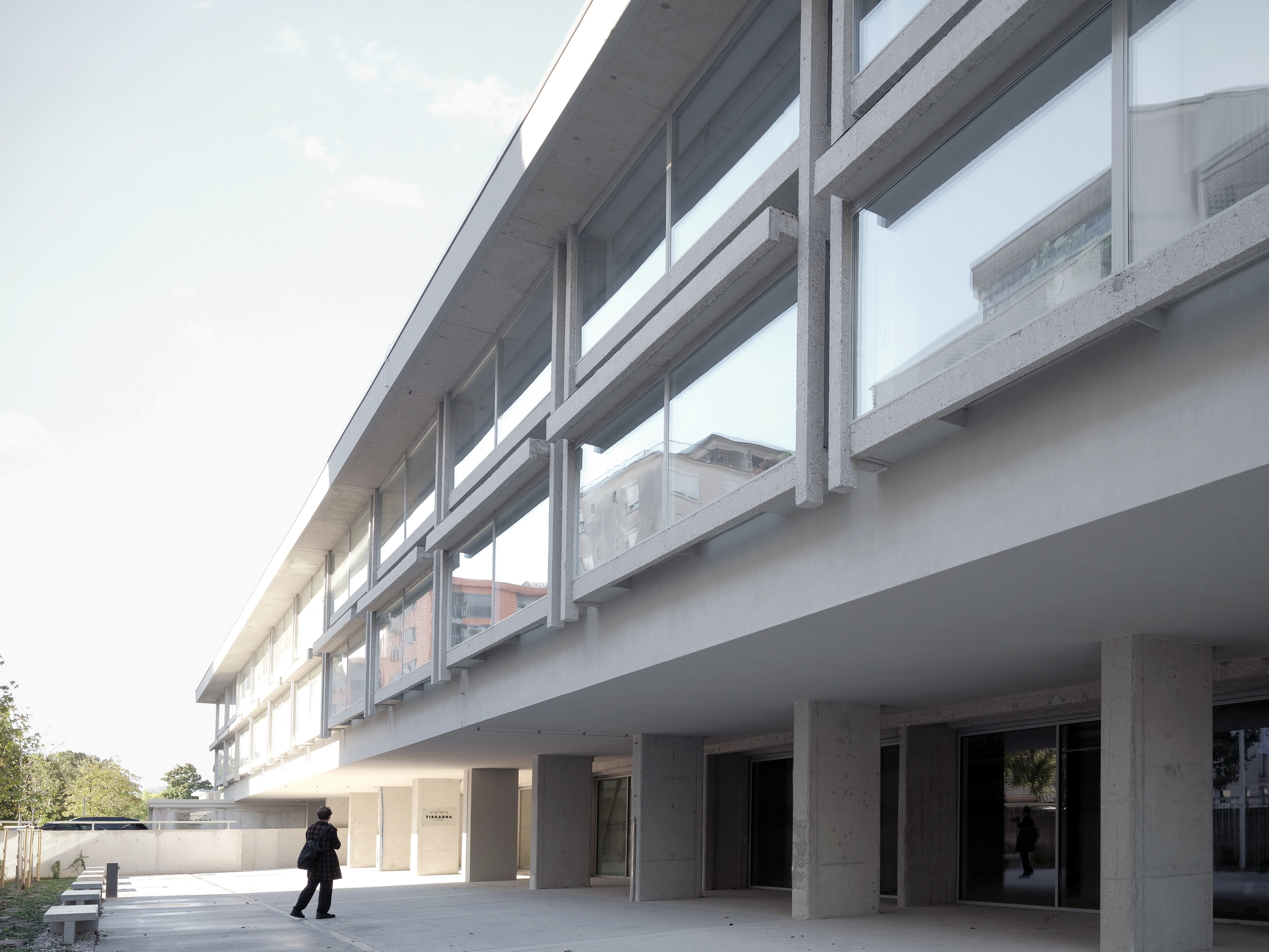
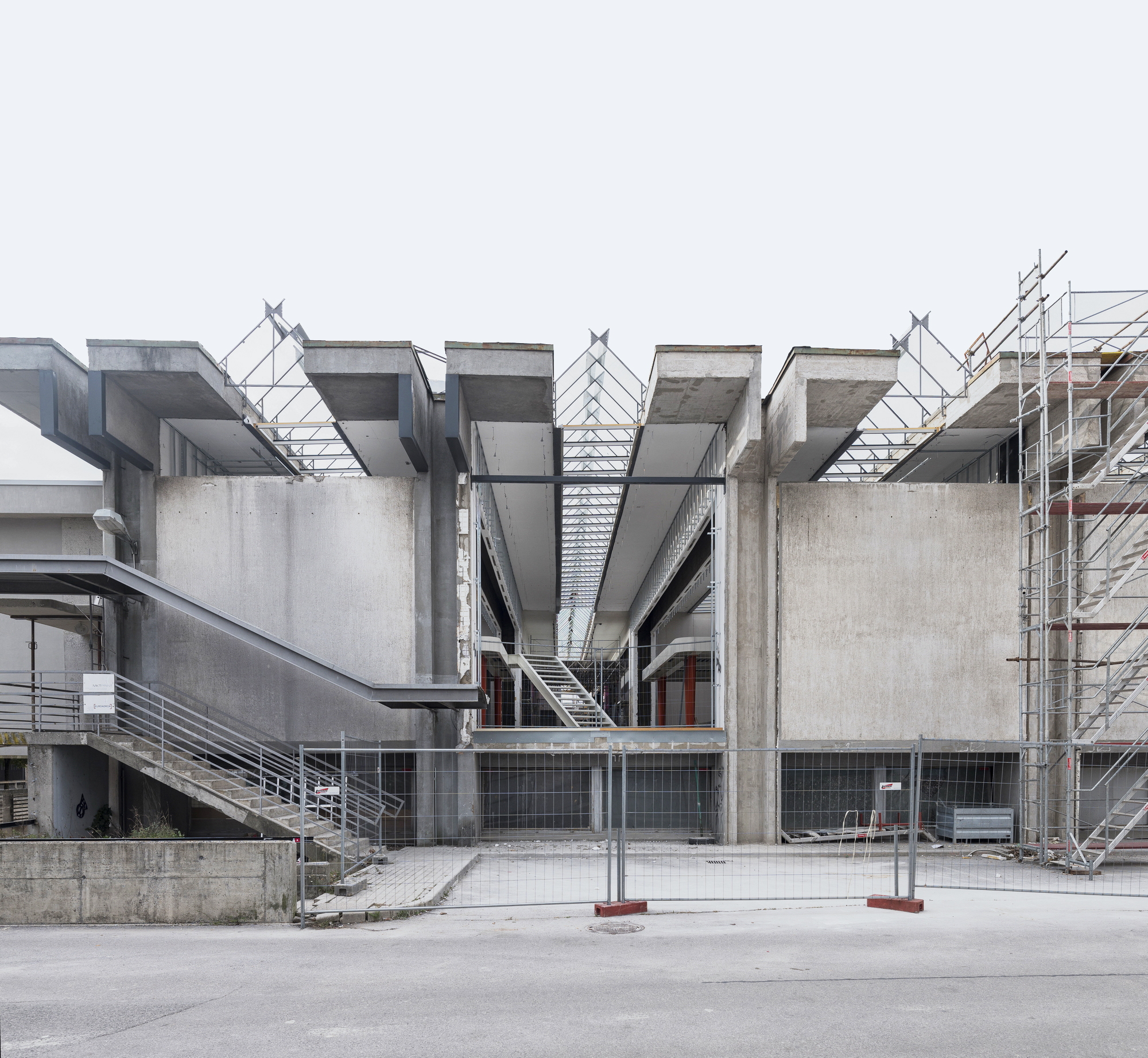
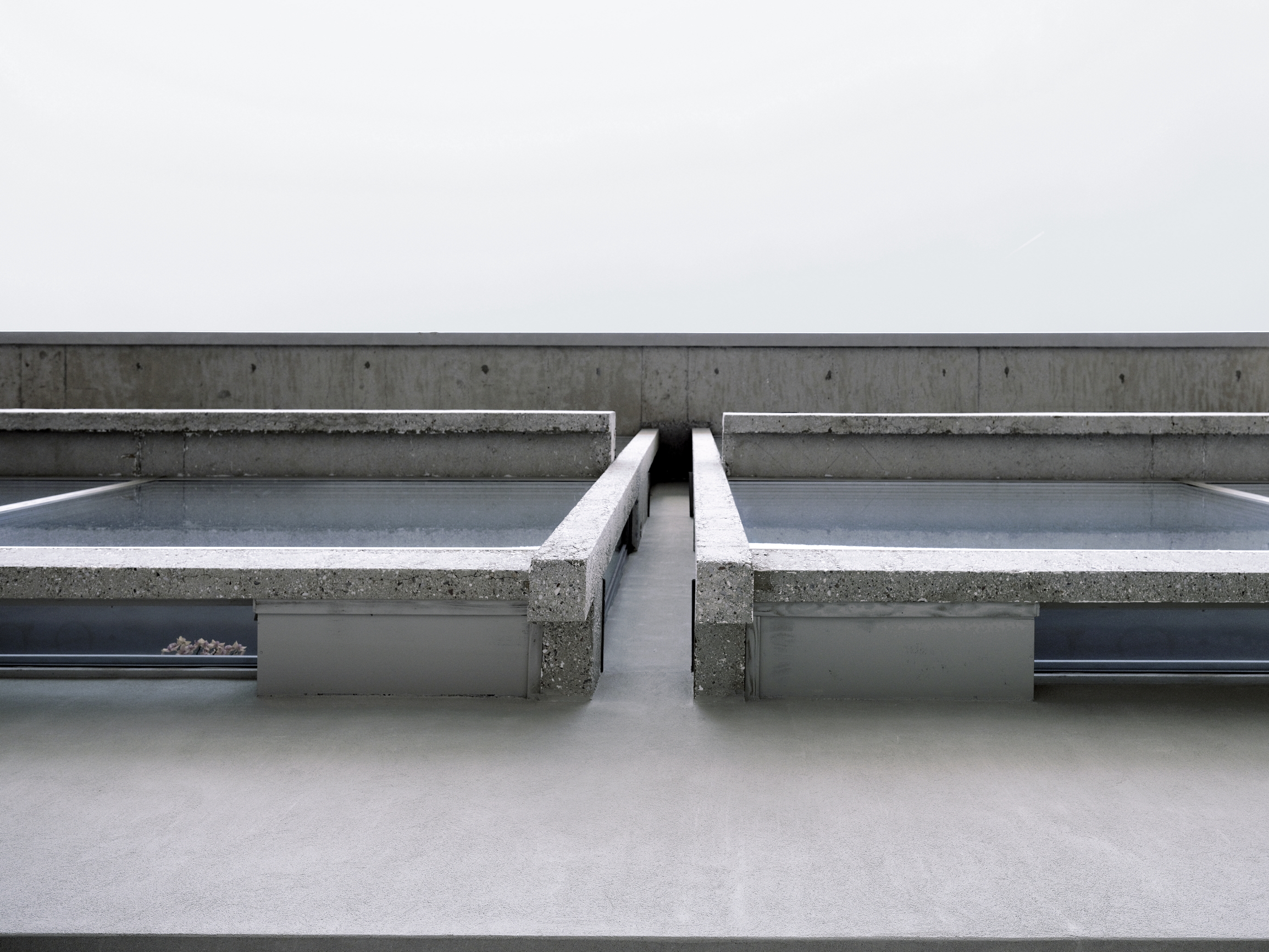
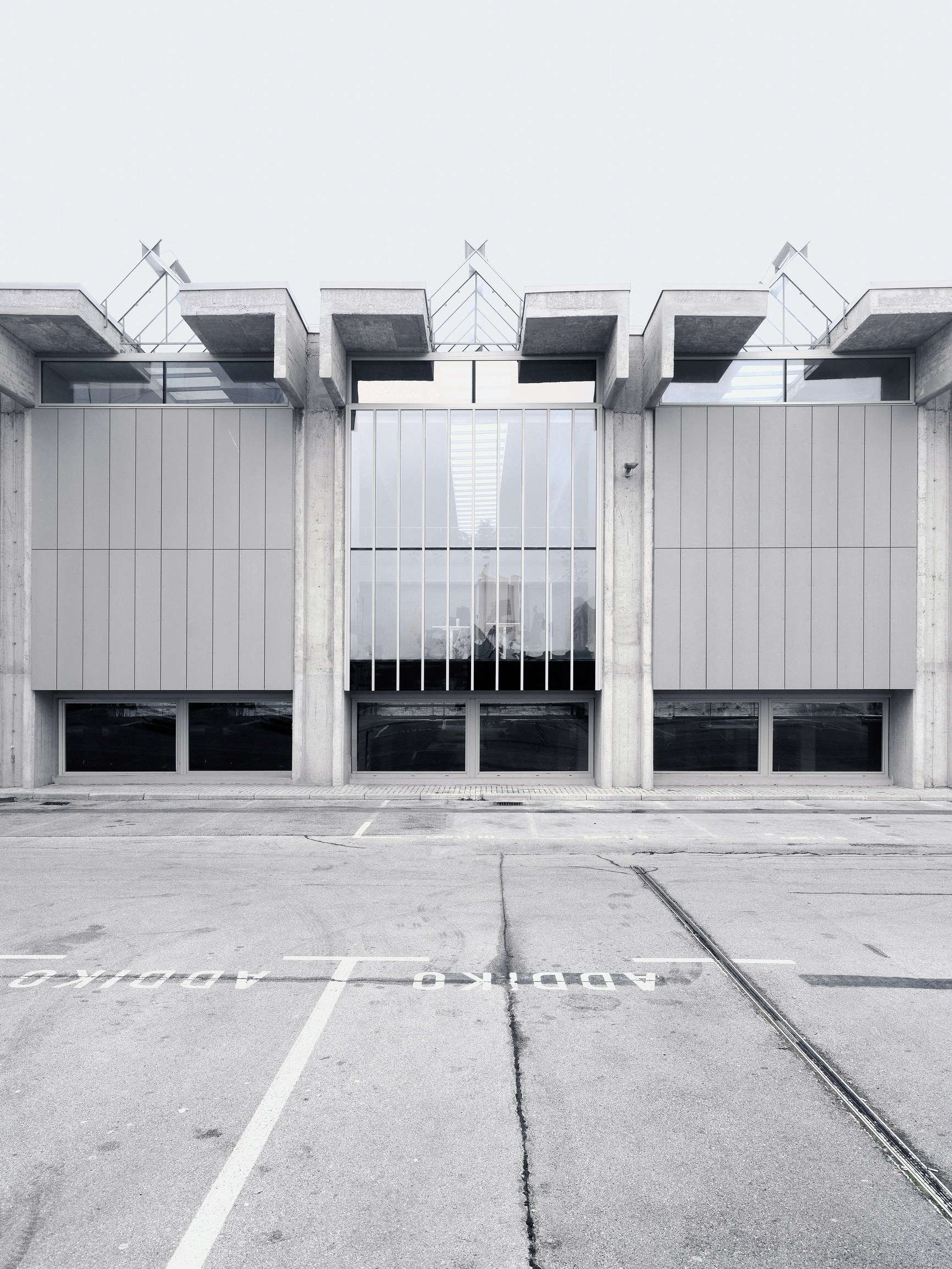
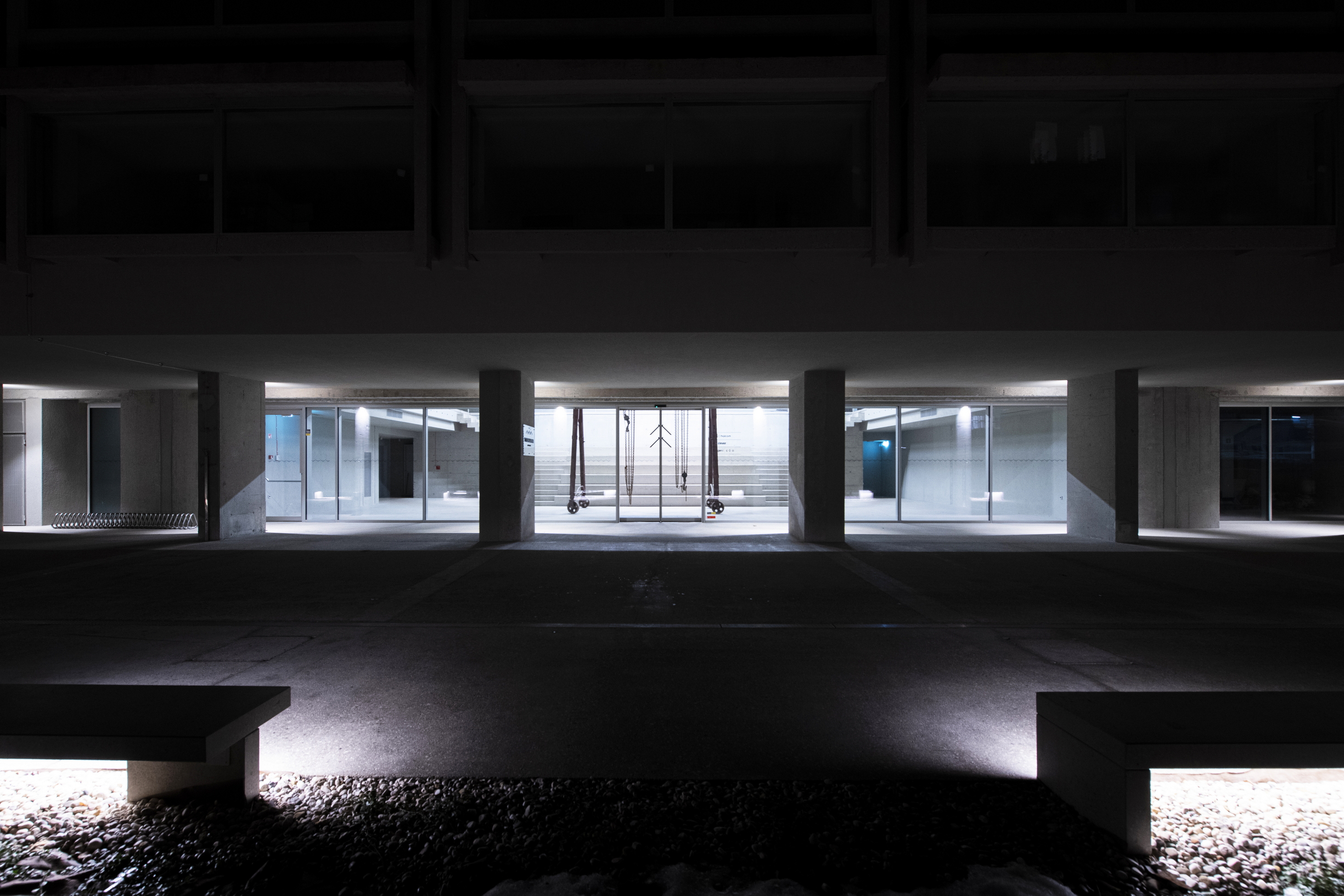
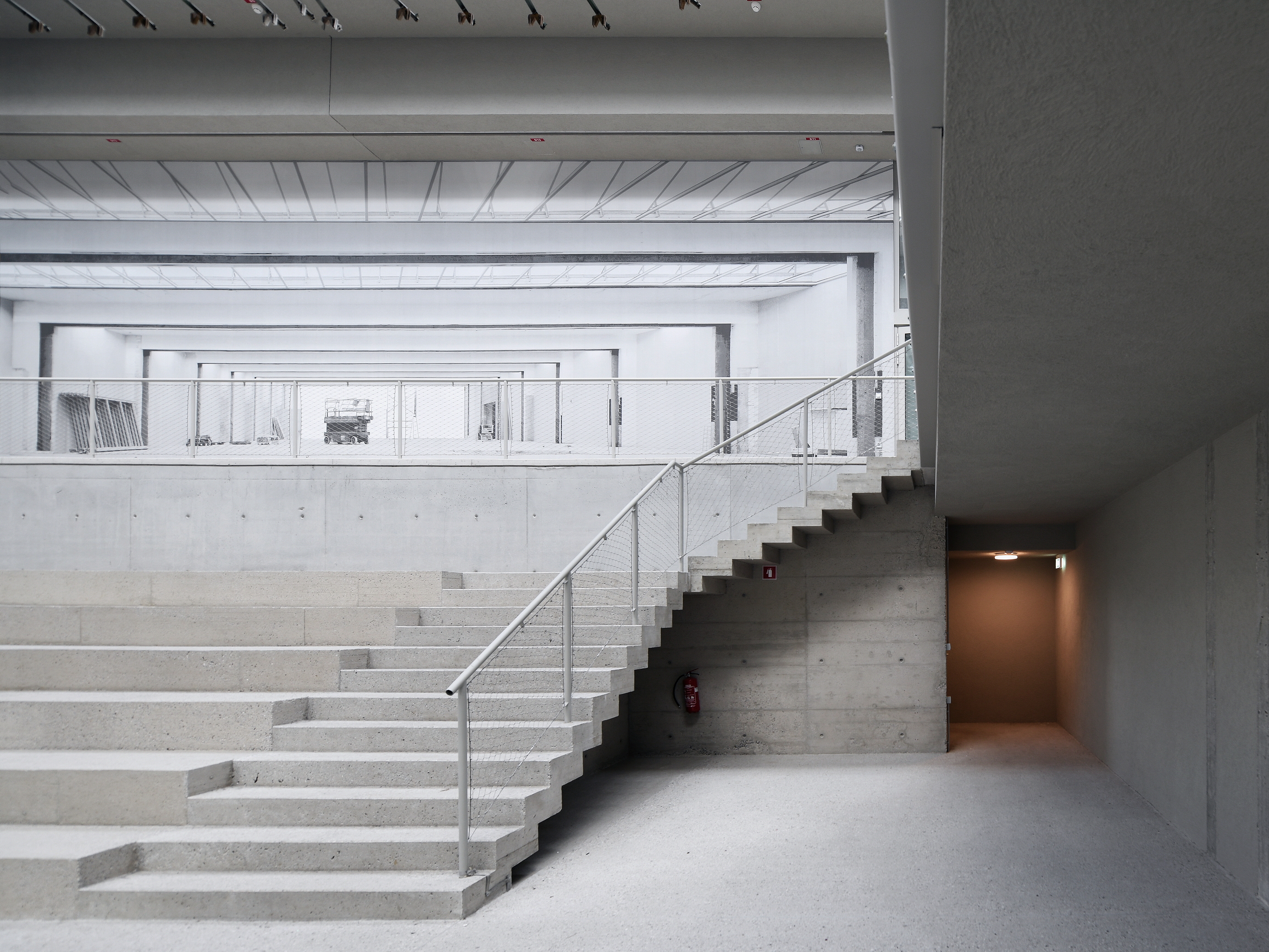
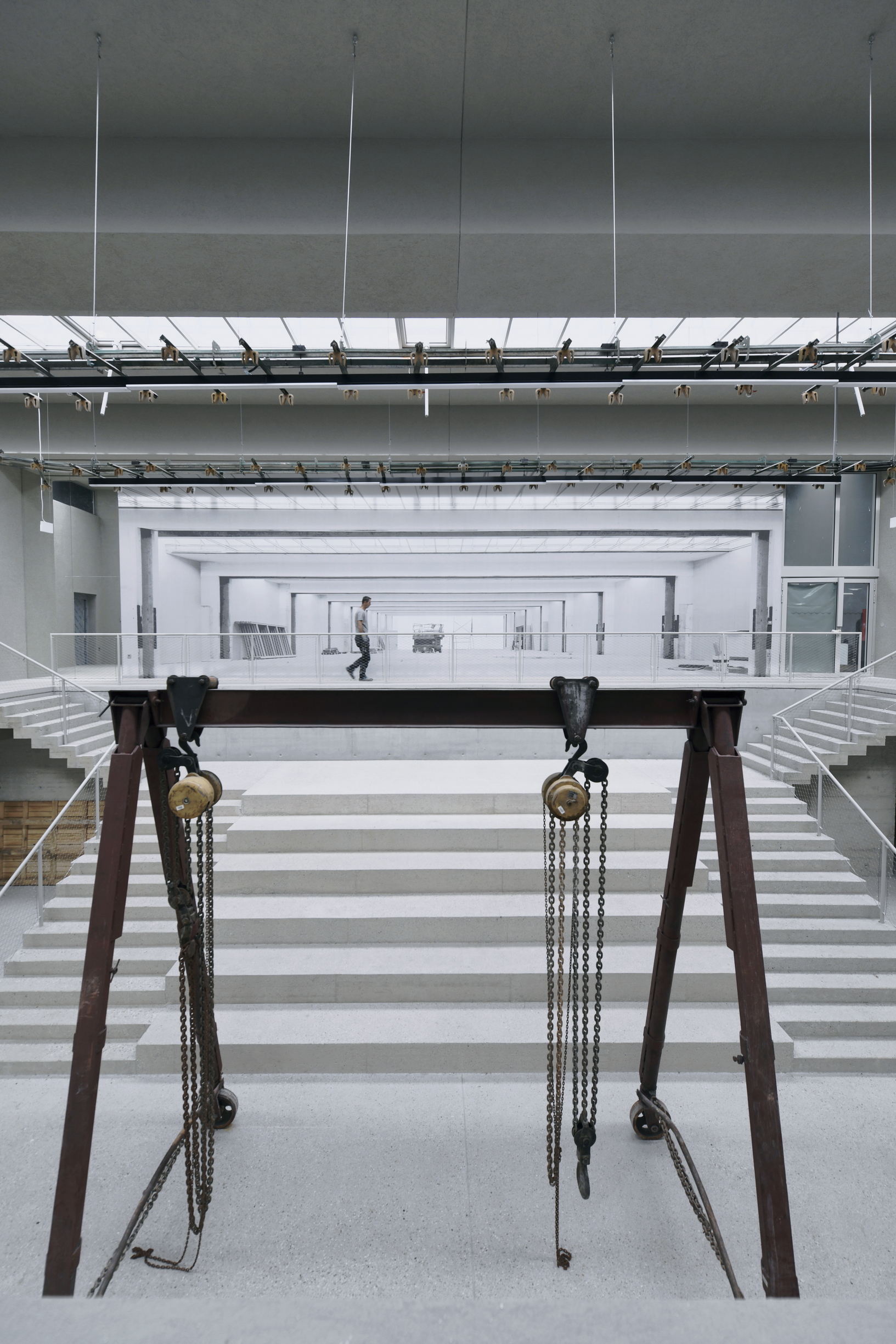
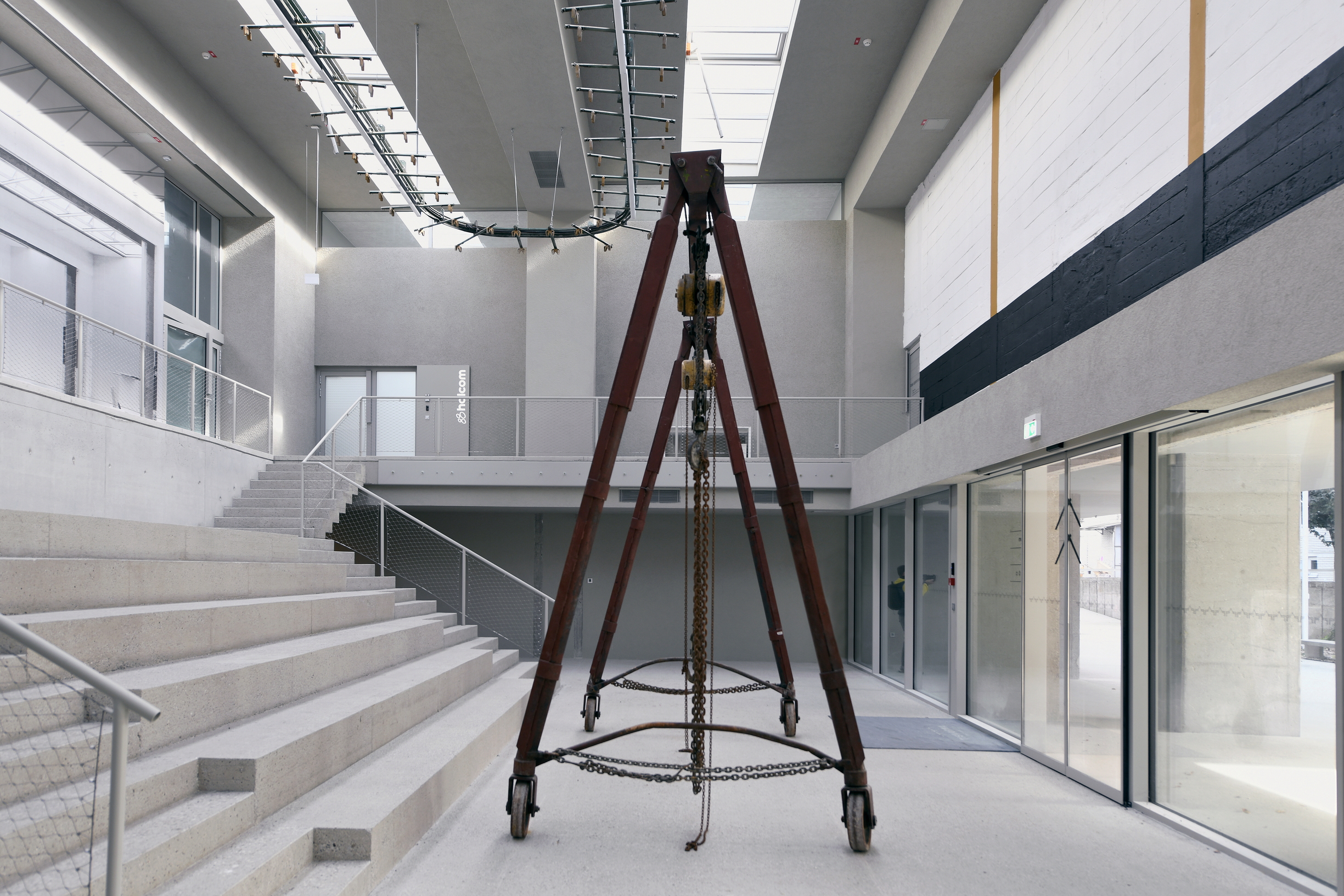
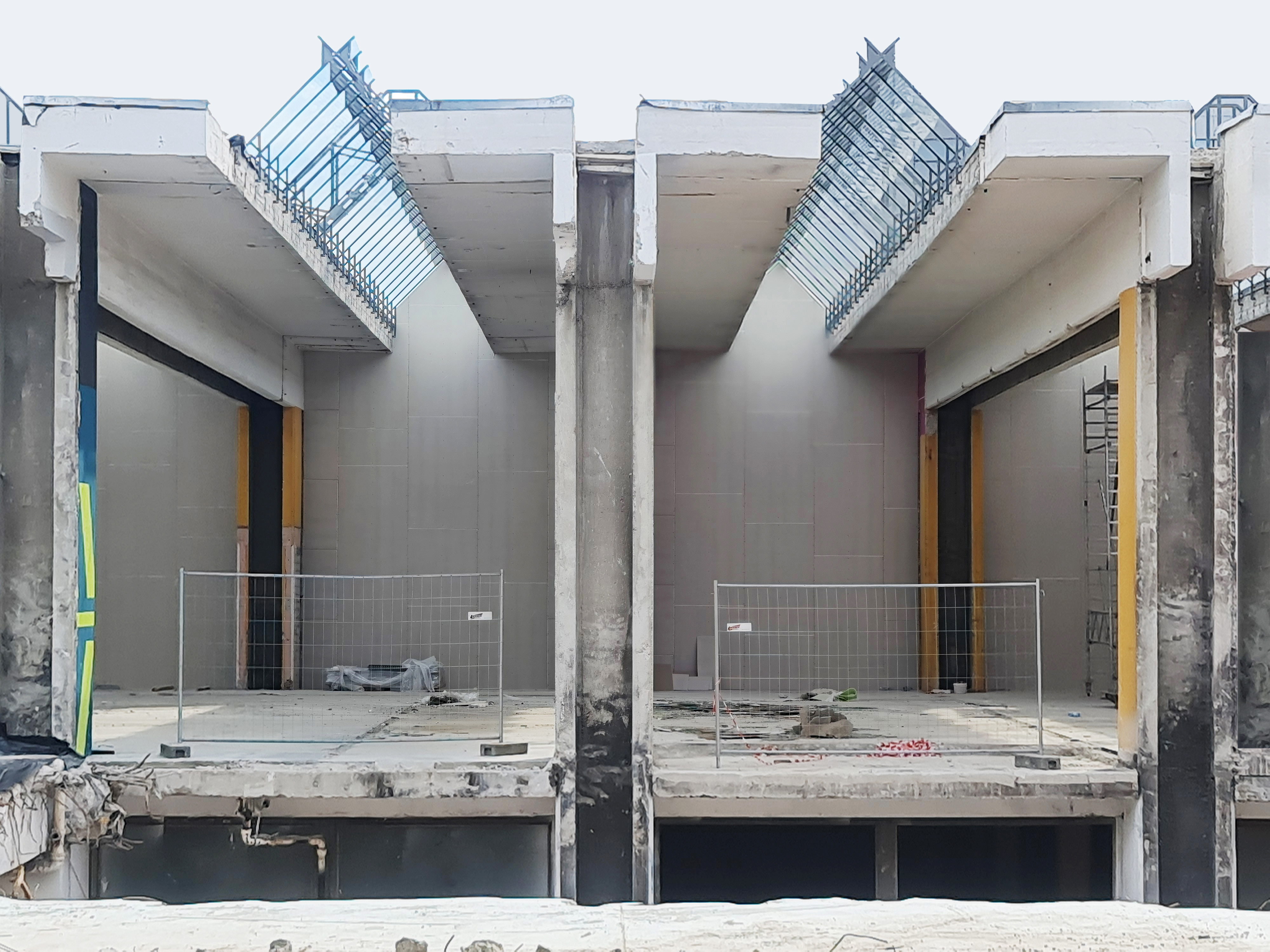
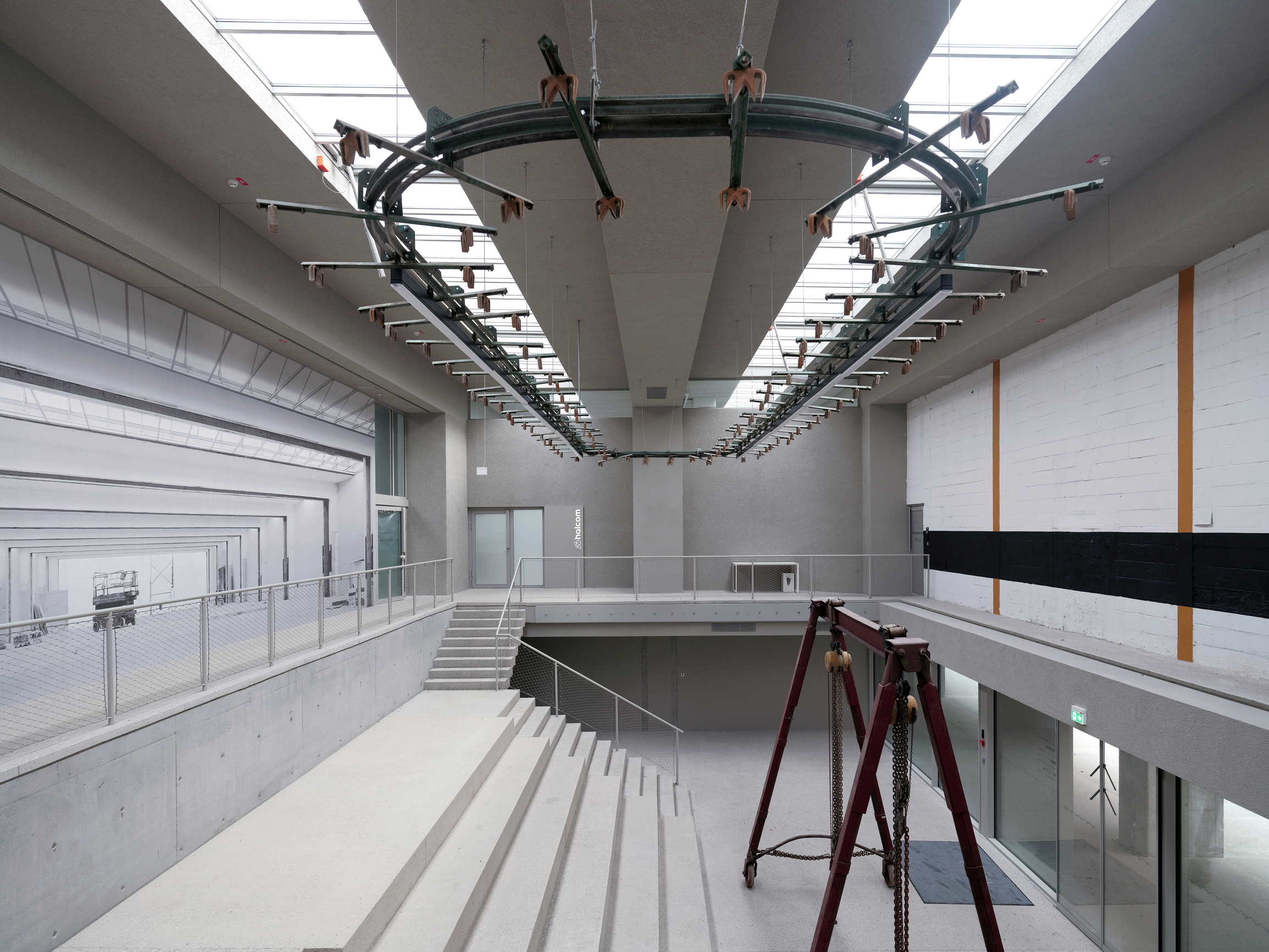
The Old Printing House in Ljubljana, designed in the 1960s by modernist architect Savin Sever, was once among the largest and most advanced printing facilities in the region. Its modular, repetitive concrete structure embodied the architectural language of post-war modernism, while its visible construction expressed a poetic clarity characteristic of the Ljubljana school of architecture, shaped under the influence of Edvard Ravnikar, Plečnik’s pupil and Le Corbusier’s collaborator. At the beginning of the 21st century, the building was modernized with state-of-the-art machines. However, the rapid rise of digital technologies soon rendered traditional printing obsolete. The factory closed, its machinery sold, and the vast structure stood empty for years until it was gradually occupied by creative enterprises that revived public interest. In 2022, a new owner undertook its refurbishment, preserving Sever’s distinctive construction. Originally dimensioned for heavy industrial equipment, the building proved adaptable for contemporary uses. The major challenge lay in thermal insulation: while the original design had dissipated excess heat from printing presses, the renovation required reversing this principle. Architects responded with internal insulation, additional glazing, and preservation of the original roof prisms that bathe the interior in natural light. Sever’s unbuilt idea of cement façade panels was finally realized, replacing the earlier brick cladding and integrating technical upgrades with historical fidelity. The most significant intervention was a new monumental entrance on the south side, featuring an amphitheatrical staircase that functions as an indoor urban square, gathering space, and cultural venue. A preserved fragment of original printing machinery anchors the building’s industrial memory. Unlike several of Sever’s demolished works, the Old Printing House has been respectfully renovated, offering a paradigm for the adaptive reuse of modernist industrial heritage and a living tribute to its architect.