SHORT DESCRIPTION
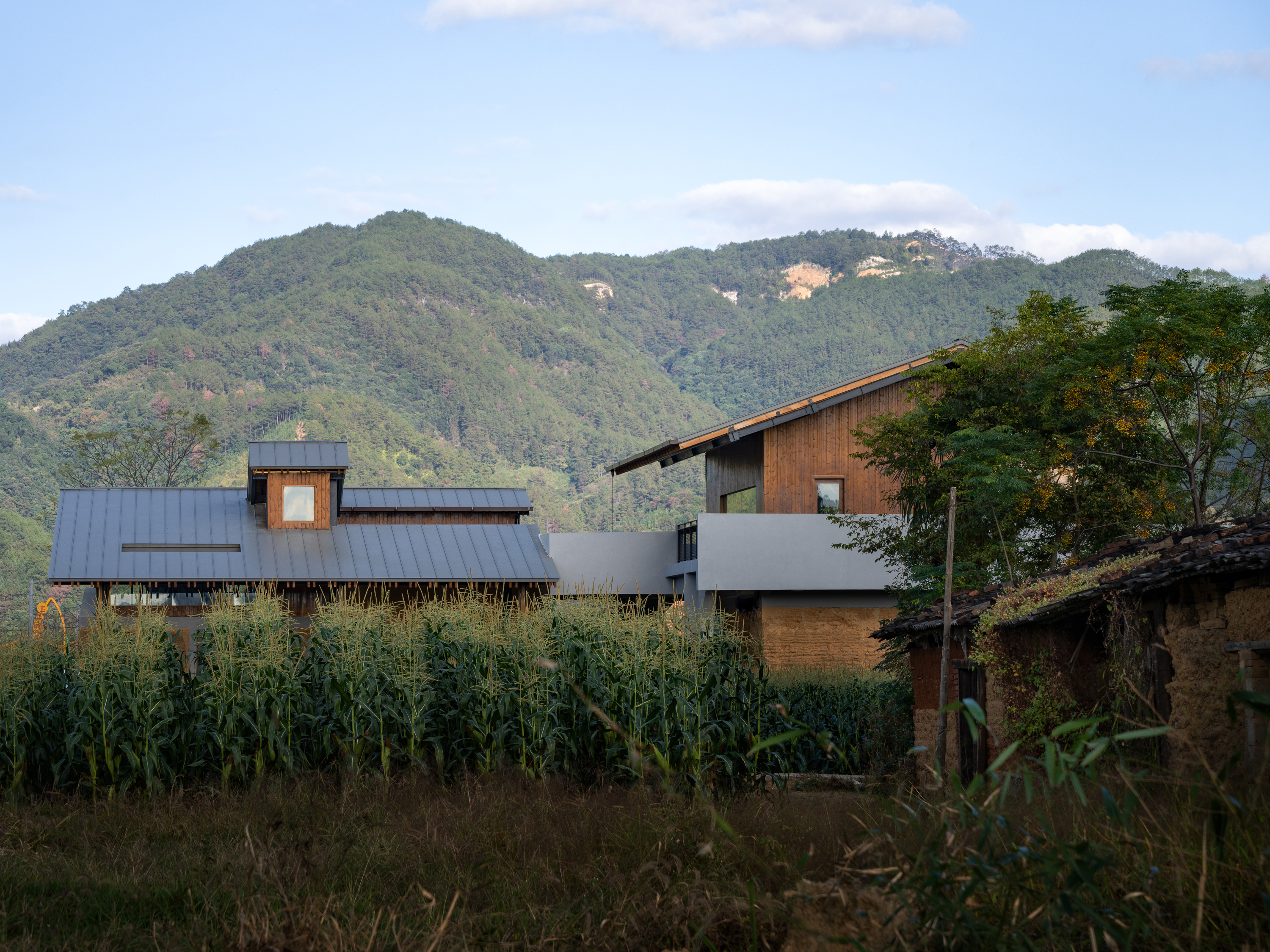
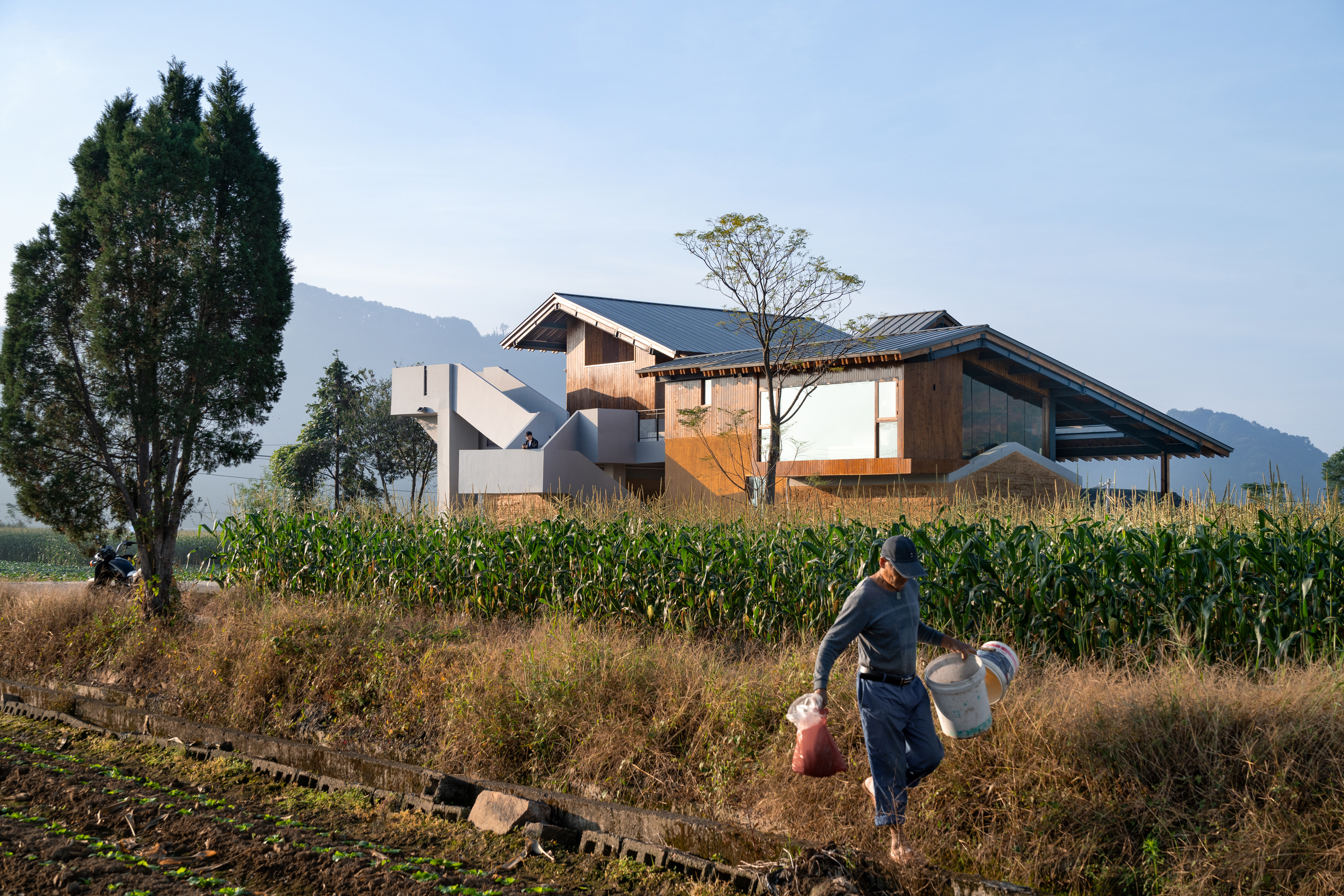
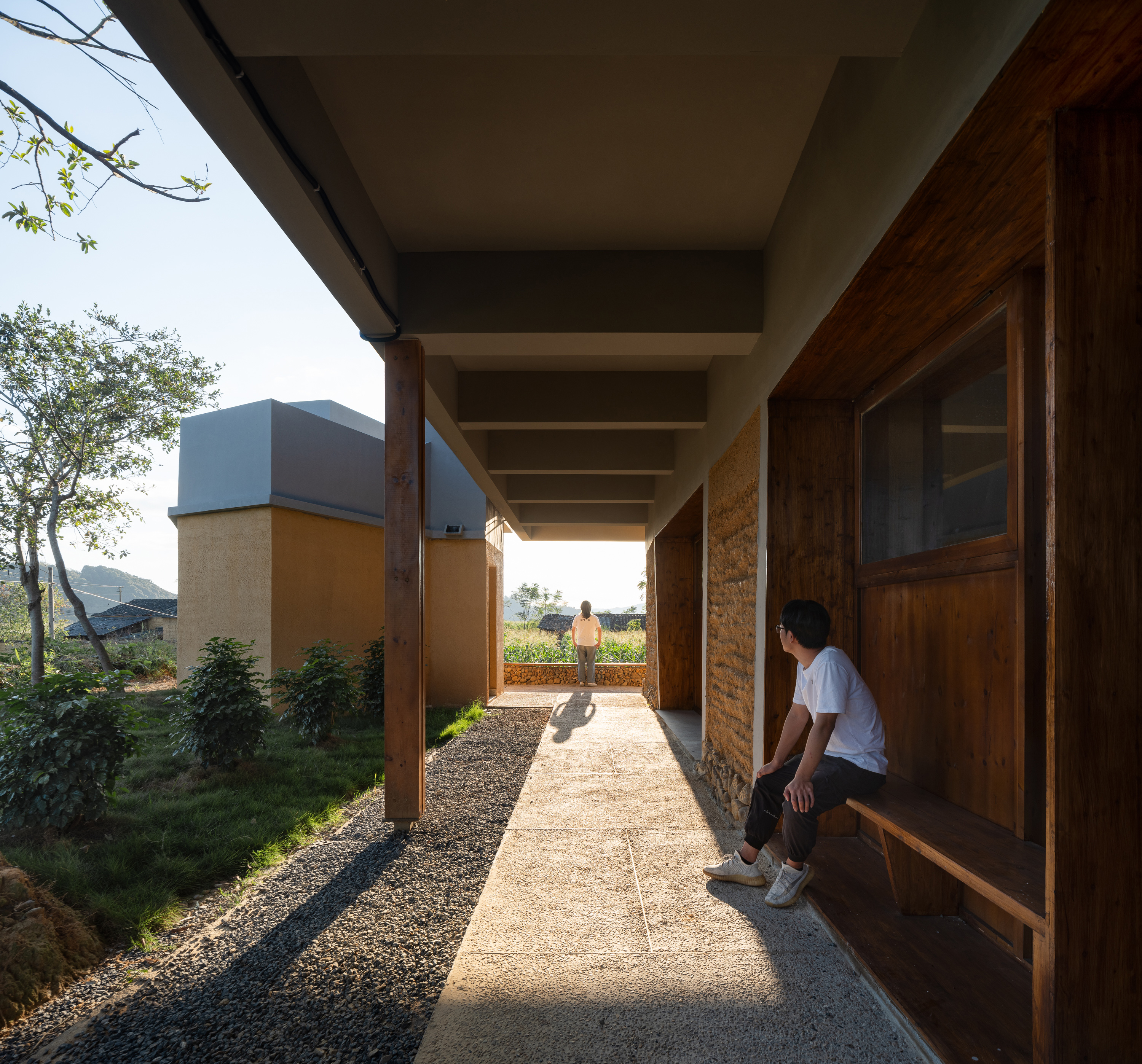
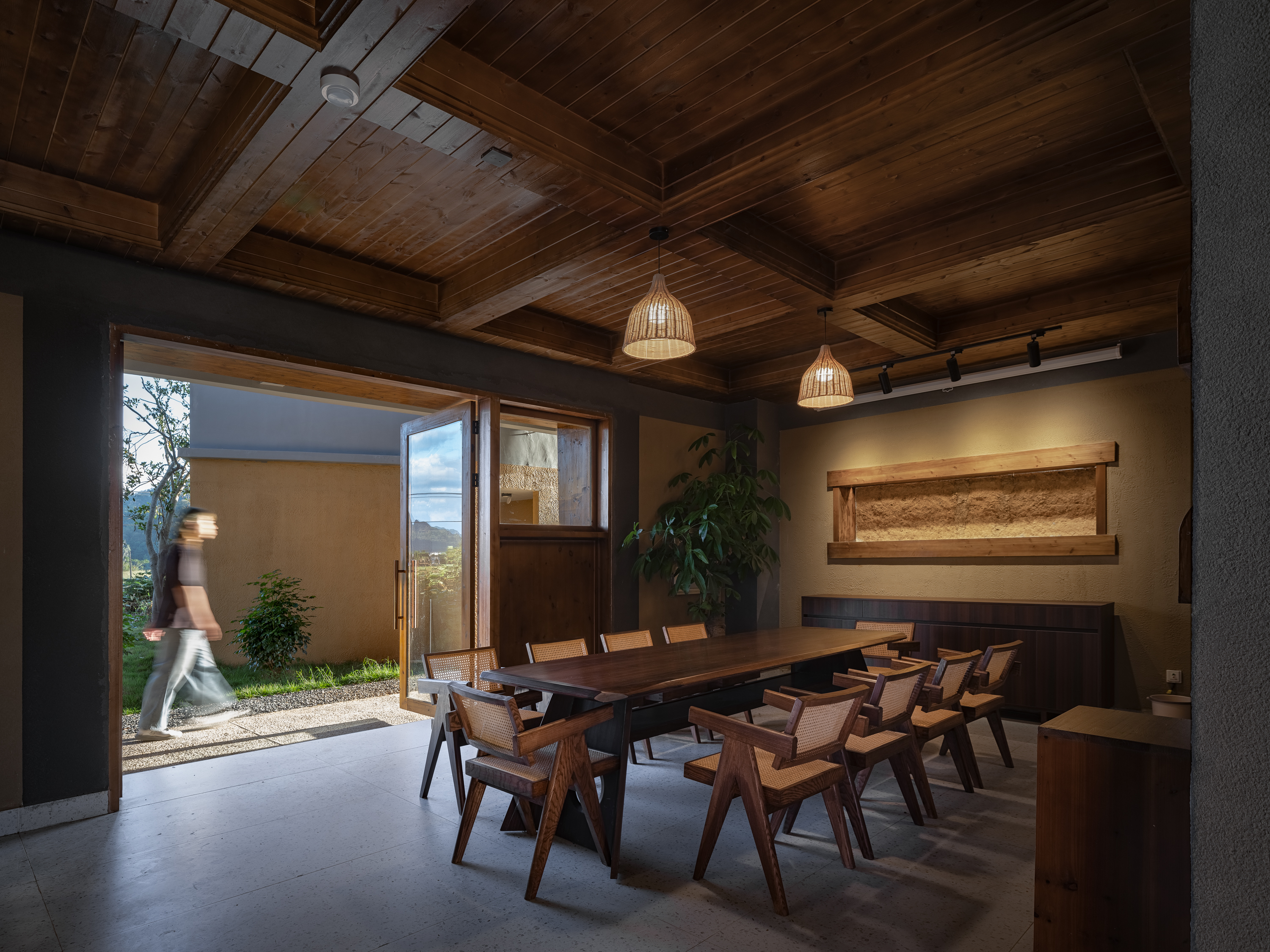
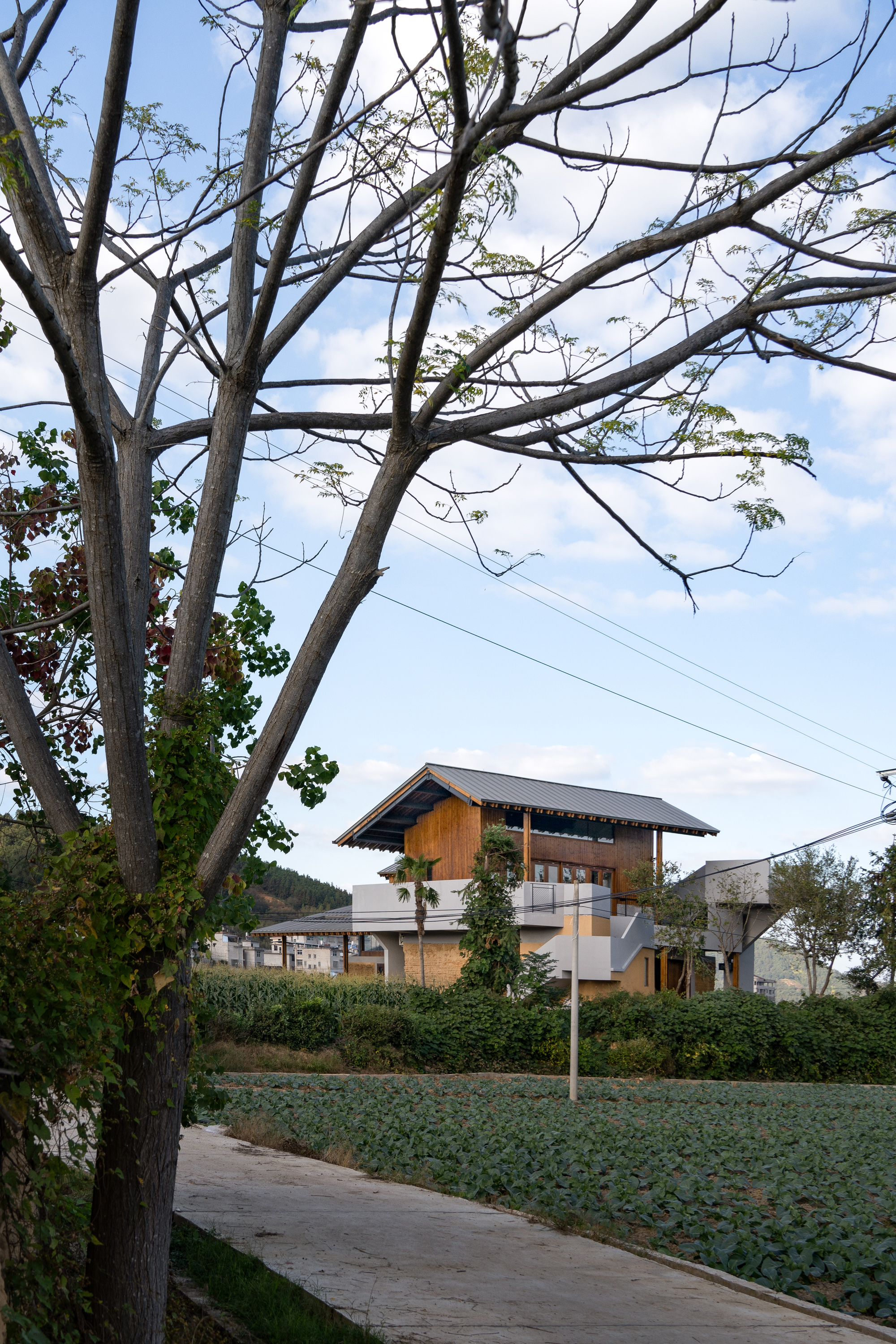
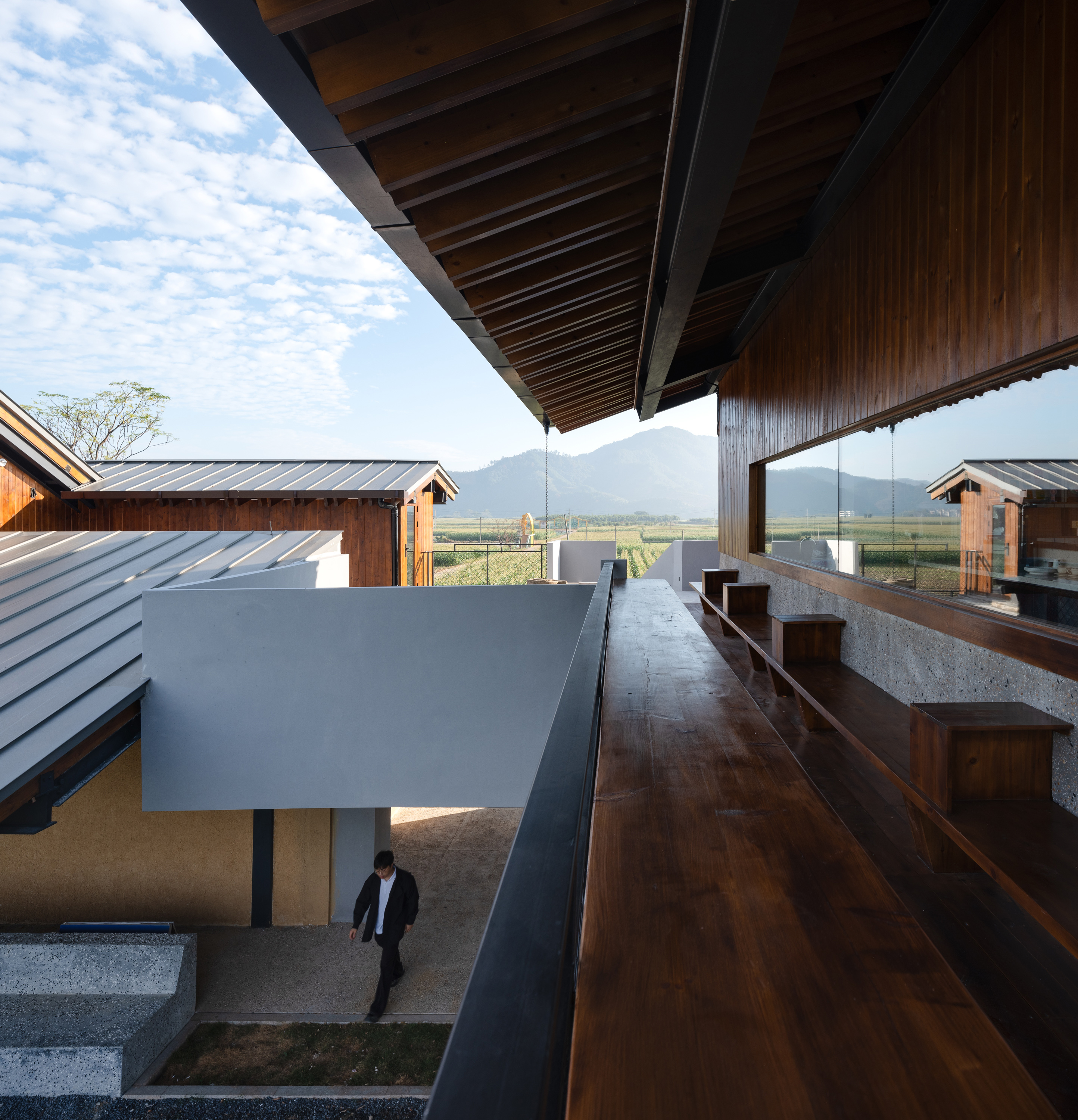
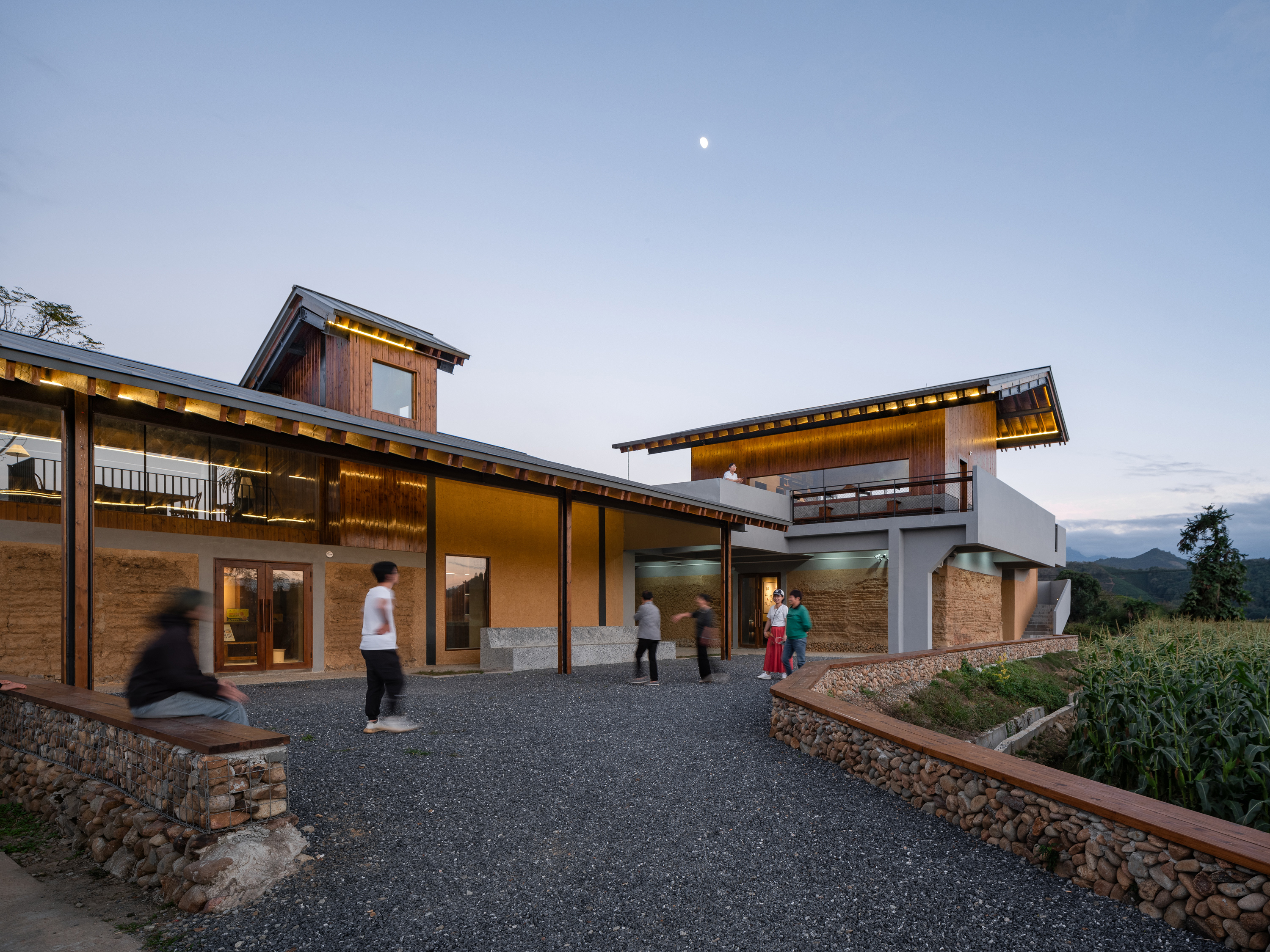
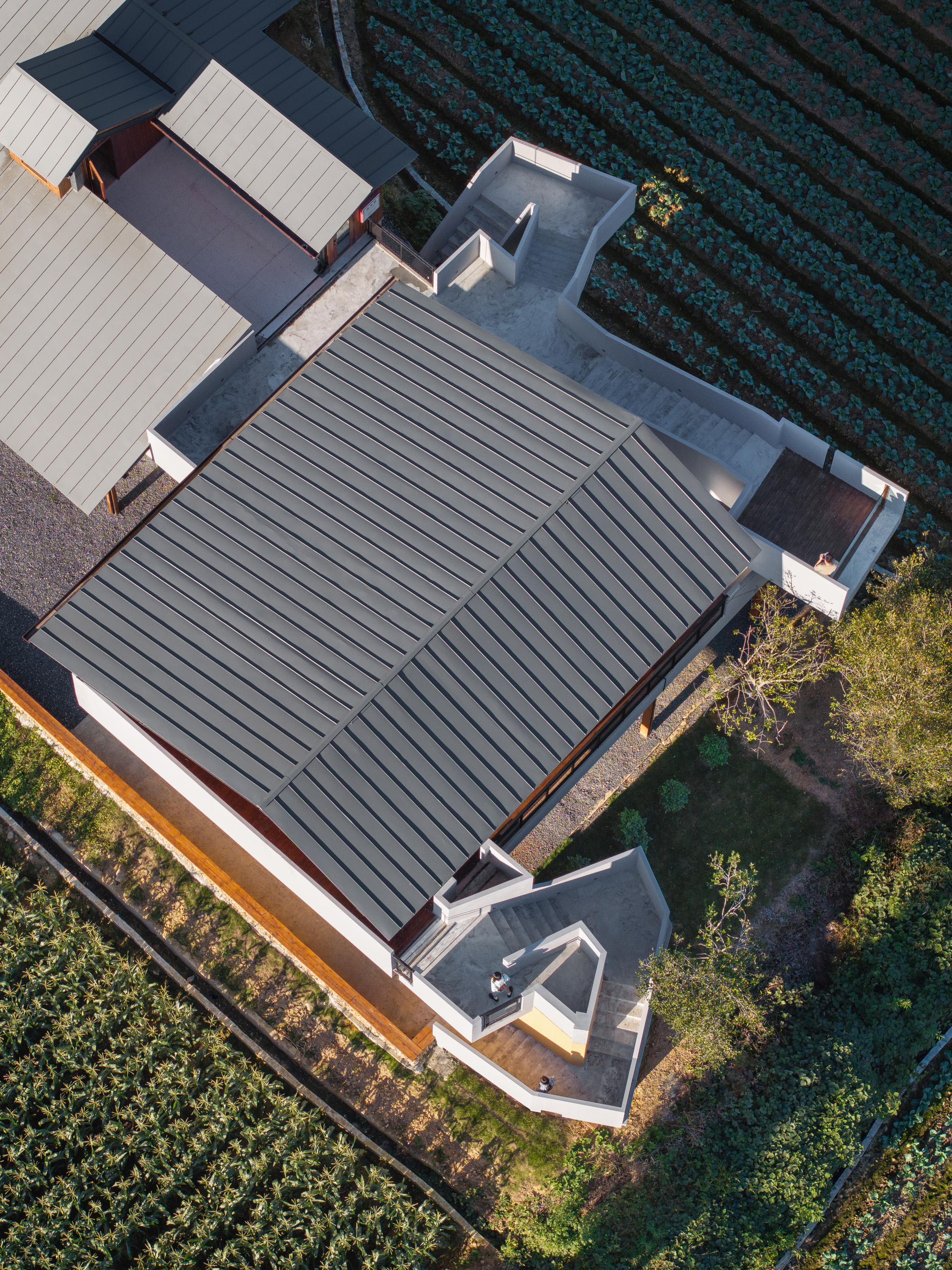
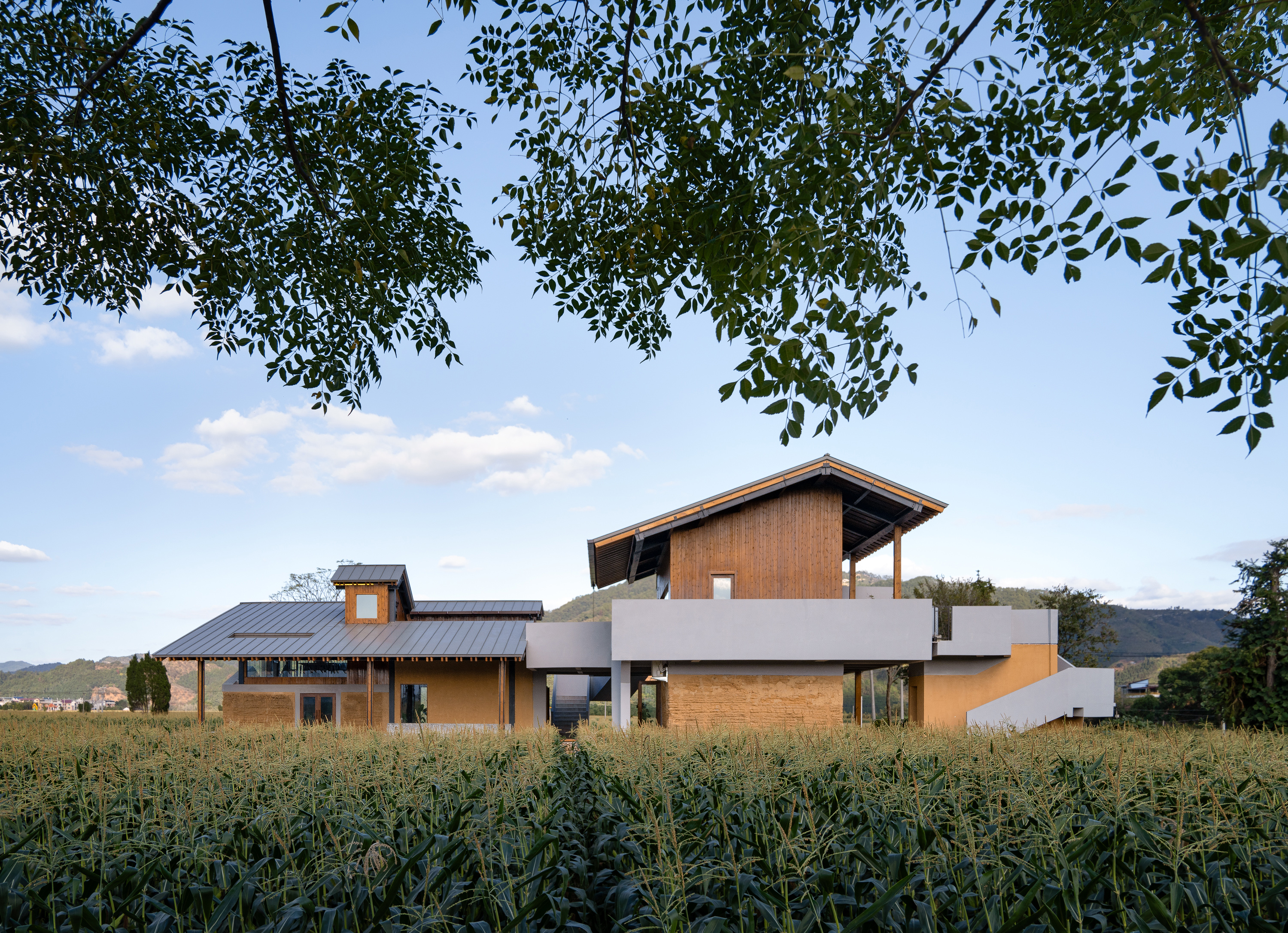
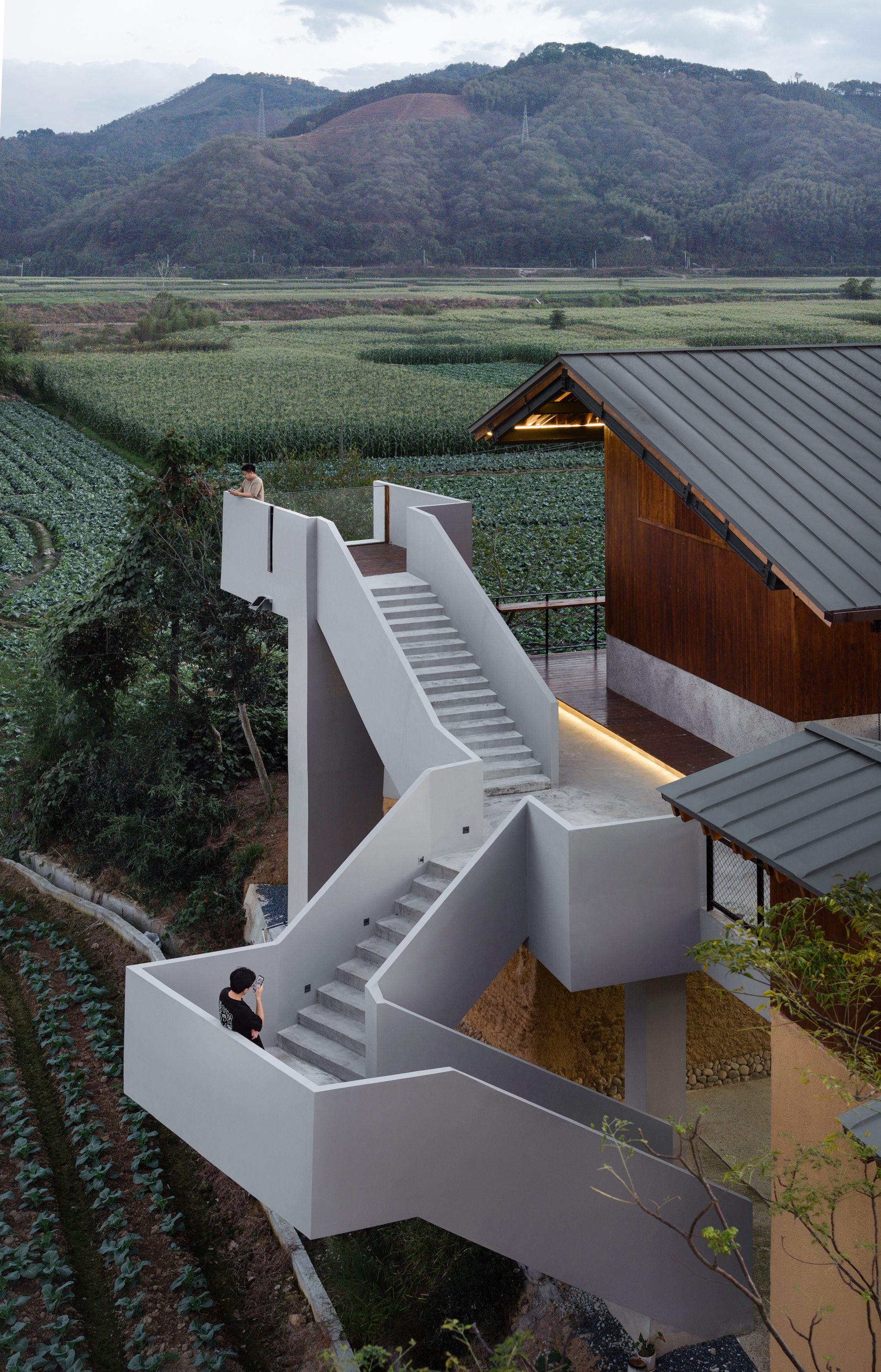
Surrounded by expansive cornfields and encased in green mountains and rivers, the site offers a unique pastoral landscape. This is a practice of rebuilding and revitalizing rural agricultural buildings. The project preserves the original rammed-earth structure and integrates it with newly constructed steel, concrete, and wood structural systems into a cohesive architectural form, merging functional spaces with a structural logic. The resulting Corn Station serves as a showcase for corn, a logistical hub, and a community space for villagers to relax and interact after their work. As a rural agricultural building and public place, the courier station is located in the cornfield outside the village, and is in a delicate relationship with the village. It not only provides temporary stacking for transshipment corn, but also provides supporting services such as scientific research and tea breaks for villagers. The site, adjacent to the road, was originally composed of two single-storey rammed earth buildings and a temporary structure, which were used as farm tool houses. According to the needs and site conditions, we retained the rammed earth part and reconstructed the system within it, growing from the inside out: the steel structure of the north side of the building is used for the exhibition hall and the live broadcast room; The south side of the building is a research room, a seminar area and a drinking area, with a large span and a concrete structure to improve the rigidity. The two are connected in series through gray spaces such as atriums and platform viewing areas. Only a new partition wall was built on the first floor of the original building, which separated the three functions of exhibition, scientific research and publicity activities. The second floor is a new addition, with observation decks, winding staircases and corridors forming an outdoor leisure area.